

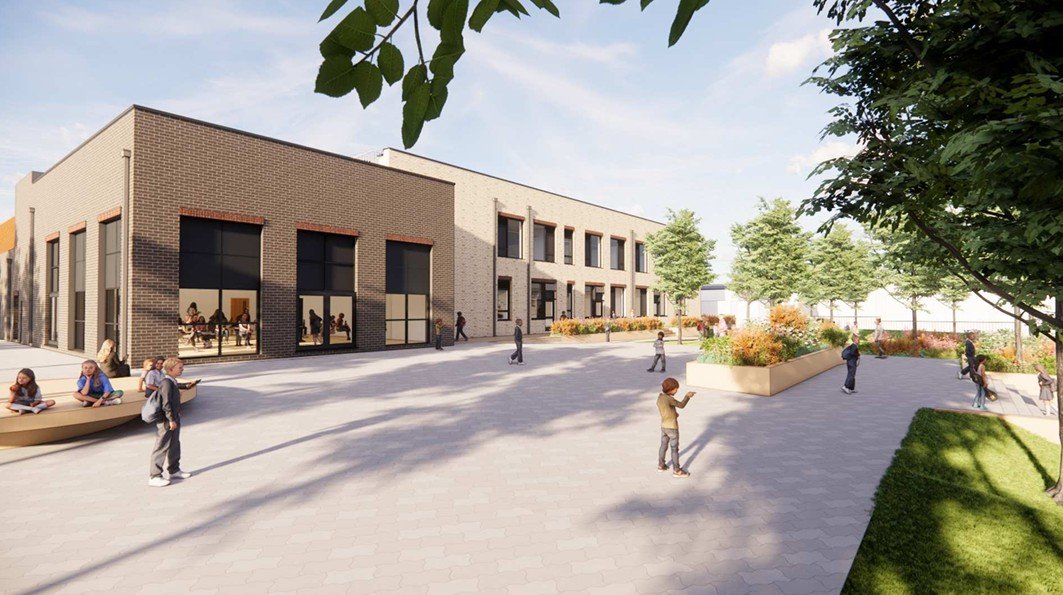
Morgan Sindall constructing new teaching block at Kent’s Birchington Church of England Primary School
Morgan Sindall Construction’s Southern Home Counties business has commenced works on a brand-new teaching block at Birchington Church of England (C of E) Primary School in Birchington-on-Sea, Kent.
Appointed by the Department for Education, the £13.4m project will deliver a modern, two-storey teaching facility spanning 1,455m².
The scheme is being delivered across two phases. Phase one involved the installation of two temporary accommodation blocks, enabling pupils and staff to safely transfer from the existing teaching buildings, which contained Reinforced Autoclaved Aerated Concrete (RAAC). Morgan Sindall successfully completed this phase on 12 December 2025.
Phase two, which commenced in January 2026, includes the demolition of the temporary accommodation blocks and the former teaching buildings, followed by the construction of the new permanent block.
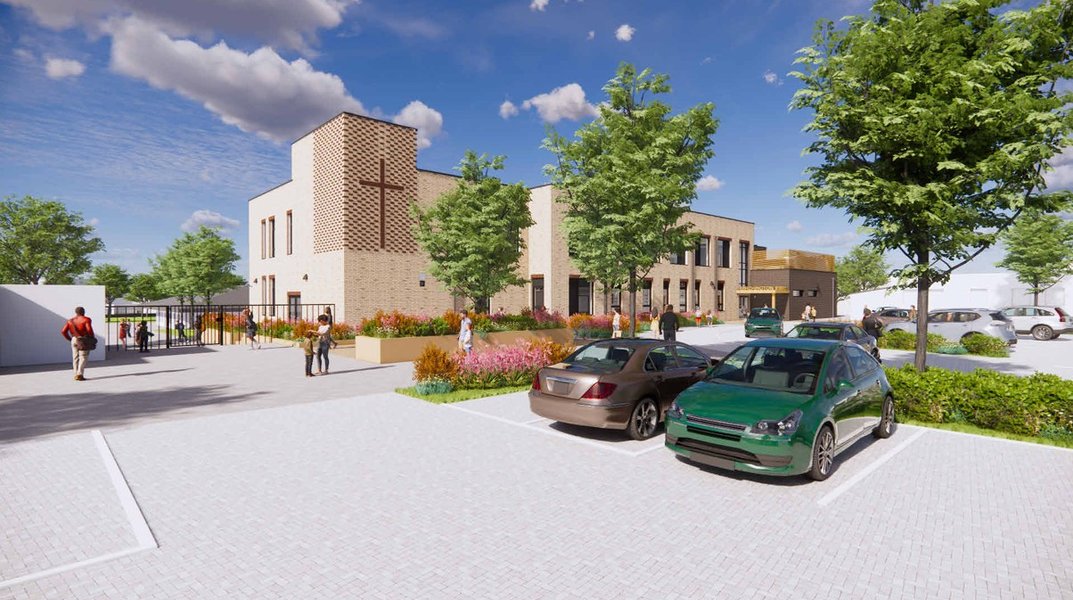
Designed to enhance both learning and social interaction, the new facility will incorporate 10 modern classrooms, a new library, an ICT suite, a welcoming main reception, four new group rooms, a new kitchen, and hall. Phase two is on track to complete in summer 2027. Externally, the team will extend hard-landscaped playground areas and create a rain garden feature and canopies.
Procured through the Department for Education’s Construction Framework, the project is being delivered through a collaborative design approach with Morgan Sindall working closely with Lee Evans Partnership architects, Campbell Reith engineers, Lloyd Bore landscaping architects, and Hawdens MEPH.
The new teaching block will be constructed using a timber frame structure fabricated off-site, which offers reduced embodied carbon, faster programme delivery, and improved thermal performance compared to traditional construction methods.
In line with Morgan Sindall’s commitment to sustainability, the building will feature bio-solar roofing with extensive photovoltaic panels and will be powered by ground source heat pumps to maximise energy efficiency. The project team is also undertaking Morgan Sindall’s 10-tonne carbon challenge, which encourages collaboration across the supply chain to identify intelligent solutions that collectively reduce carbon emissions by at least 10 tonnes.
In addition, Morgan Sindall is working with the waste management consultancy, Encore Environment, to repurpose existing materials on site prior to demolition. Reclaimed bricks will be reused as feature detailing on the east-facing façade, while the CarboniCa tool will be utilised to calculate and analyse embodied carbon throughout both the design and construction phases.
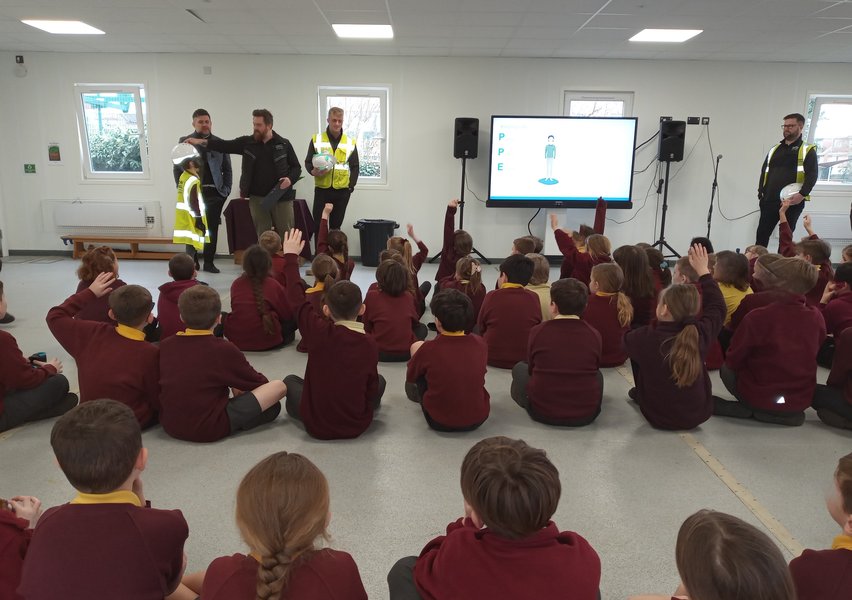
Supporting the local community is a key priority for the project team. During phase one, Morgan Sindall provided work placement opportunities and plans to increase these during phase two. The team will also coordinate site visits with Birchington Primary School and partners at East Kent College, offering students valuable insight into careers within the construction industry.
To further support the local economy, Morgan Sindall continues to engage contractors and suppliers located within 20 miles of the site, including Jager MEPH, Four Seasons Fencing, and Martin Robinson Carpentry.
Guy Hannell, Area Director at Morgan Sindall Construction in the Southern Home Counties, said:
This project represents a fantastic opportunity to create a modern, sustainable learning environment that will benefit pupils, staff, and the wider community for years to come. Working closely with the Department for Education, Birchington C of E Primary School, and our design team, we’re focused on delivering a high-quality educational facility that prioritises wellbeing, energy efficiency, and long-term value. All while creating meaningful opportunities for local people throughout the construction process.”
ENDS