

Industrial
Industrial public infrastructure
Building efficient and flexible public infrastructure that keeps communities moving.
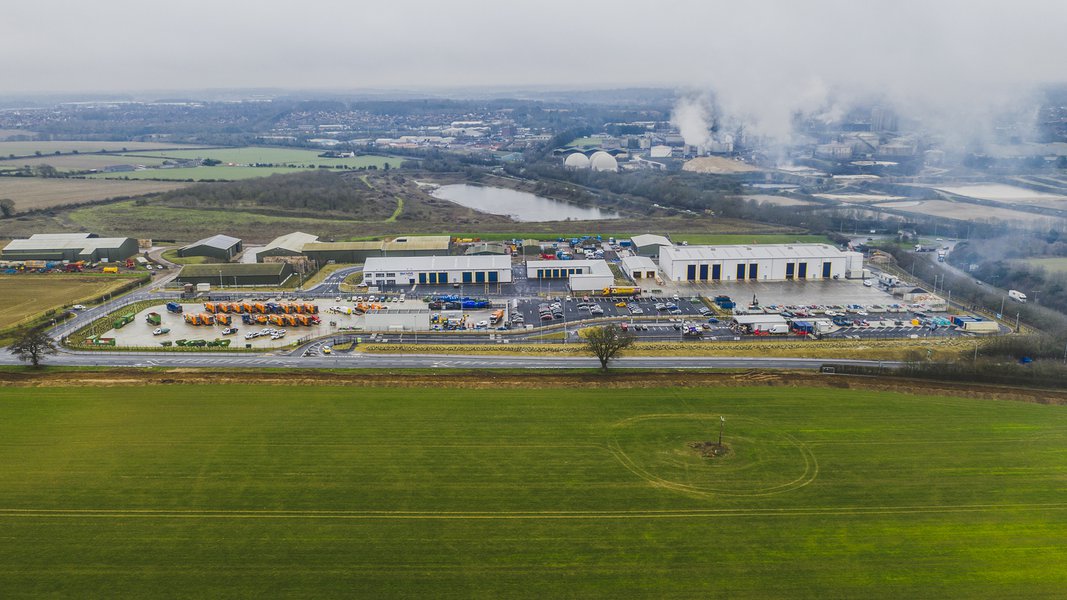
From highways depots and gritting facilities to waste transfer stations, pumping stations and operational maintenance hubs, these industrial assets support the services communities rely on every day.
Within the community, critical infrastructure such as our highways and water networks and waste management services cannot simply stop. Retaining operations in these settings whilst improvement works are taking place is a key component of our projects – with our teams focusing on site logistics, project scheduling and stakeholder communication to ensure project success.
Supporting these facilities are also commercial and office spaces for those who keep the UK’s public infrastructure running. Offering modern workspaces that support productivity and wellbeing. For more examples of our work in commercial, office and mixed-use schemes visit our dedicated page.
A trusted partner for complex operational environments
Our teams have extensive experience working in complex industrial environments. Working with multiple stakeholders such as local authorities, water companies, highways authorities and public sector organisations, Morgan Sindall Construction has delivered high-quality industrial facilities that improve operational performance, support sustainability objectives and provide long-term community value.
Our collaborative approach enables us to identify risks early, develop practical solutions and create facilities that enhance operational efficiency from day one.
Making a waste management site part of the community
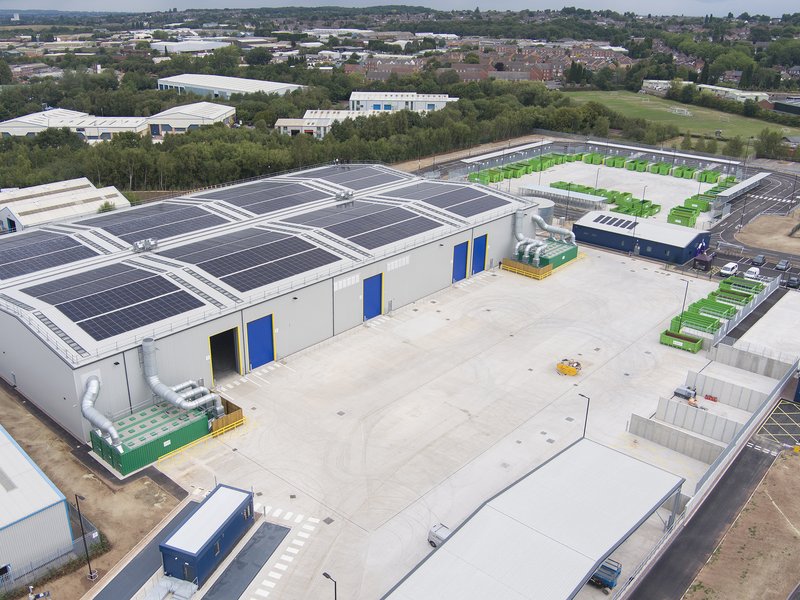
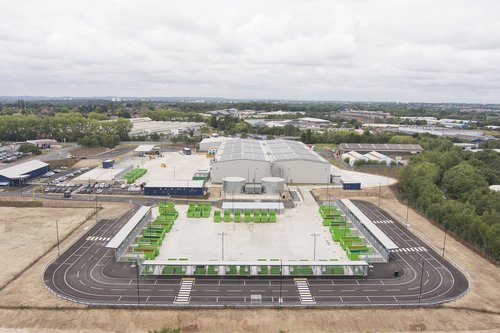
Waste Centres are an essential part of everyday life, and a community concern is often smell or dust arising from such facilities. As part of the project the team installed a complex odour control system, the result of a £1m investment from Walsall Council. Resulting smells from the site are passed through a bank of six containers and dust is controlled by a high efficiency filtration system with the risk of fire controlled and reduced via an automated water-mist system.
The £32m Walsall Waste Transfer Station and Household Recycling Centre (WWTS/HRC) was developed to play a key role in Walsall Council’s strategy to modernise and enhance local waste management services, looking particularly at the facilities to support advanced waste separating, storage and onward recycling processes and move away from landfill. For the local community, the six-hectare site has reduced queues, allowed households to recycle a wider range of waste and introduced a reuse shop to drive a commitment to the circular economy and divert waste from landfill. Project highlights:
- The team undertook a strategic foundation redesign in response to adverse ground conditions
- Proactive carbon reduction with 354 tonnes of carbon removed throughout the project
- 69% of the workforce was recruited from a within a 20-mile radius
- £753,000 created in social value
Watch: Video of the completed Walsall Waste Transfer Station

Creating a one-of-a-kind facility in the UK
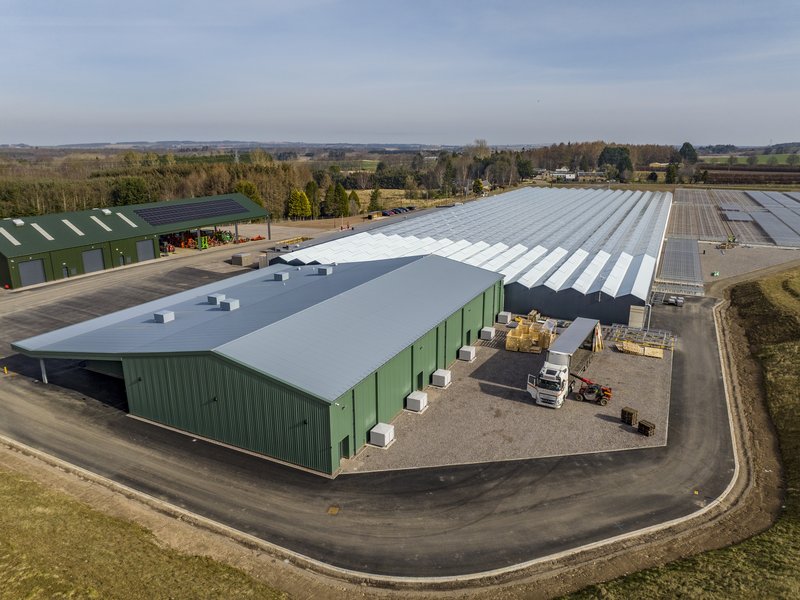
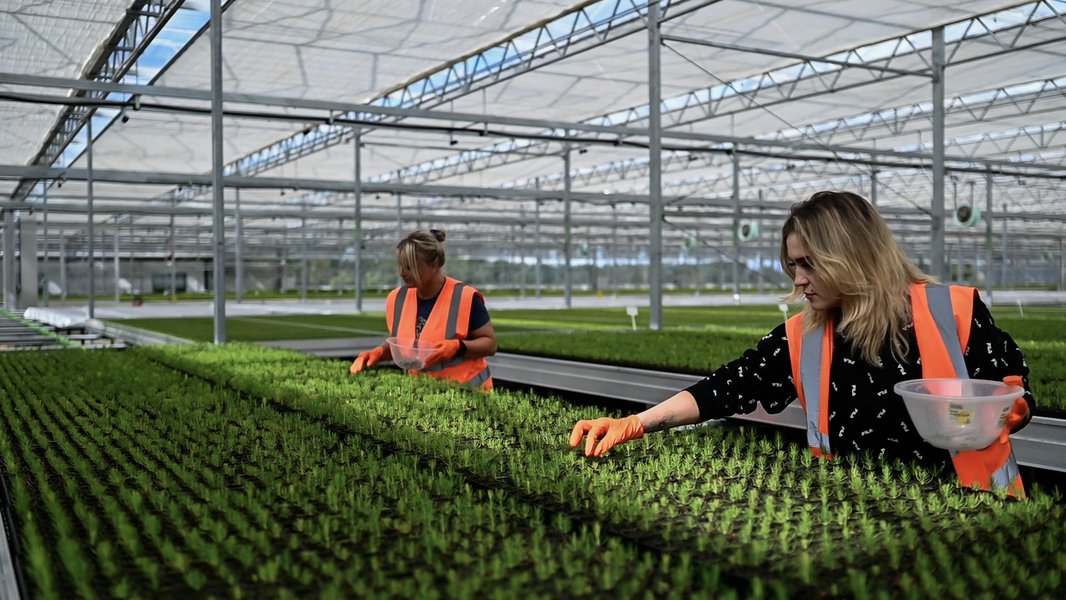
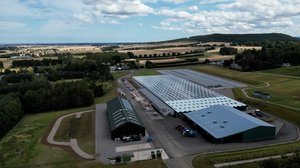
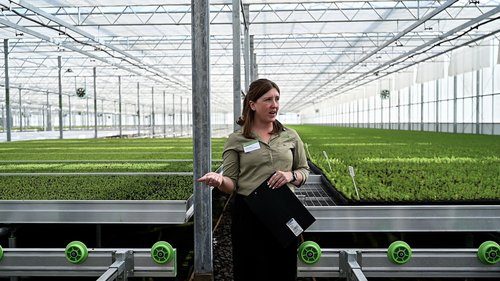
Newton Nursery is a transformational tree nursery which was delivered for Forestry and Land Scotland (FLS). The expansive facilities have increased tree production from 7 million per year to almost 22 million, whilst also improving operational efficiency, sustainability and resilience.
The development compromises a A 12,500m² glasshouse facility (spanning the equivalent of two football pitches), a planting and harvesting operation centre, cold storage and distribution facility, machine store, an administration and welfare hub for staff, and associated infrastructure, servicing and hardstanding works.
With Newton Nursery’s goal to produce nearly 25 million sustainable seedlings annually to support carbon sequestration, biodiversity and national woodland creation targets in Scotland, it was only fitting that sustainability be embedded into the facilities construction from the outset.
Key sustainability outcomes were:
- A 40kW solar PV system capable of providing 53% of the facility's energy requirements
- Borehole irrigation systems that eliminate additional demand on the mains water network
- Air source heat pumps to remove direct carbon emissions from heating systems
- Pre-manufactured timber systems that reduce construction waste and embodied carbon
- Advanced building management systems and low-energy technologies incorporated throughout the development
Watch: Newton Nursery - Sowing the seeds of Scotland's future
Creating modern workspaces for satellite office teams
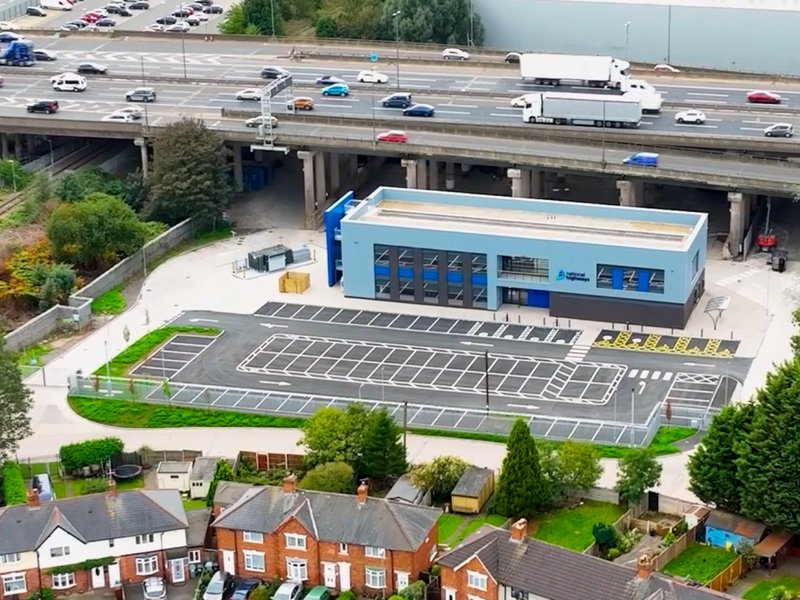
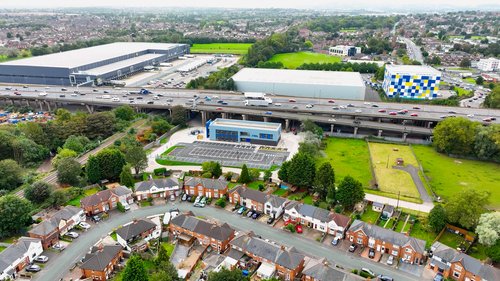
The team completed four new roadside depots as part of National Highways’ plans to improve locations throughout England. Adopting a ‘hub and spoke’ model for the first time, the project involved the construction and upgrade of satellite offices at their roadside locations to provide staff with the same modern working environments as its city centre ‘hub’ offices.
Completing the first depot and then conducting the works in parallel helped all four projects to complete in just 10 months and maintain higher levels of quality and consistency, whilst also minimising disruptions to the depots and the wider road network.
Following the handover of the first depot, Warndon, the standard for the remaining depots to achieve was set. Not only were successes replicated and cost savings passed on, but invaluable ‘lessons learned’ were incorporated into the next projects, along with key project members to oversee delivery to the same standard.
Read more about our National Highways Depot projects
Re-purposing heritage assets in Manchester
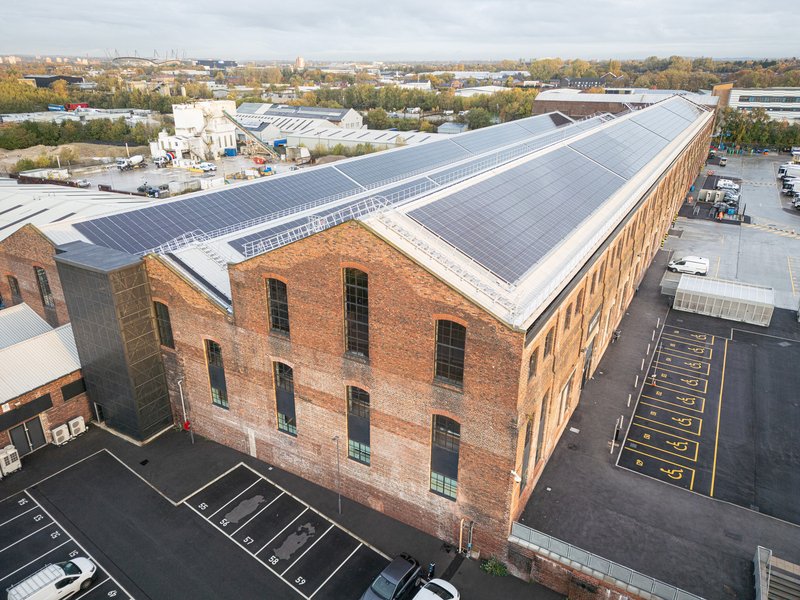
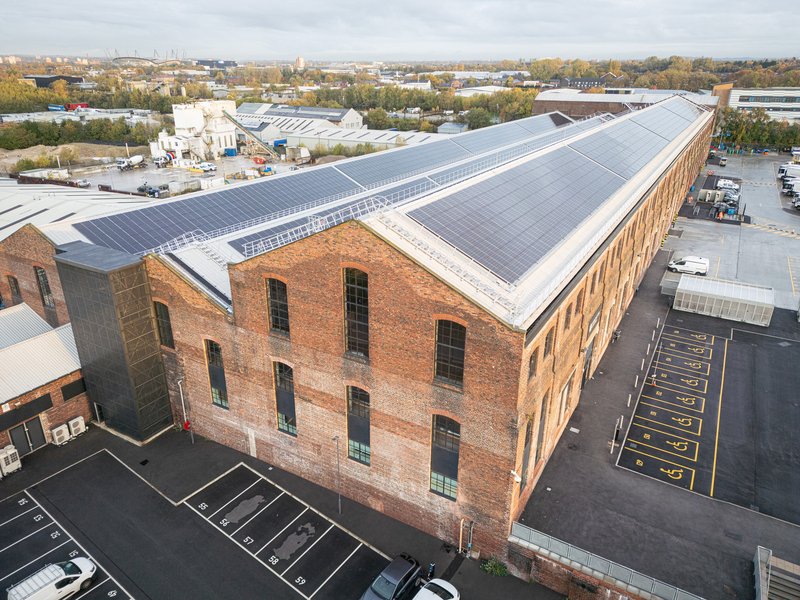
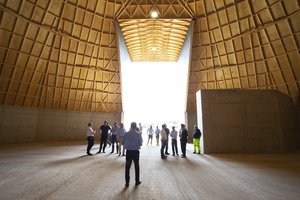
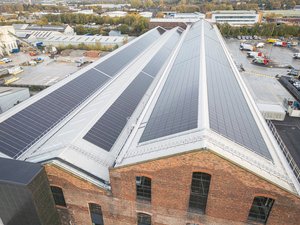
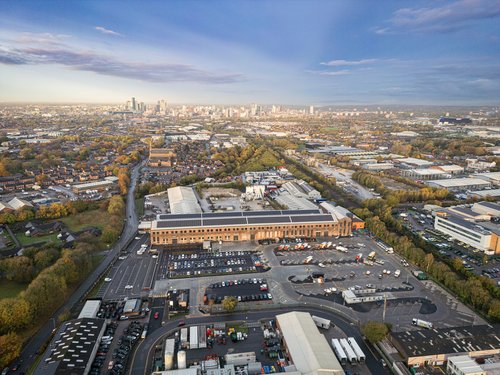
Hammerstone Road Depot originated as a mid-19th century locomotive manufacturing facility. Following the closure of the locomotive works in 1966, the building was converted to serve Manchester City Council’s waste and maintenance operations.
The ageing infrastructure was increasingly unable to support evolving council services, including the transition to low-emission vehicle fleets. Energy performance was poor, and the building lacked the resilience and flexibility required for future operational needs.
A ‘box-in-box’ construction created modern, high-performance office accommodation within the original industrial shell, while maintaining the volume and integrity of the heritage structure.
The retrofit combined extensive fabric repairs, structural retention, services replacement and internal reconfiguration to transform the depot into a modern, high-performing facility.
A central intervention was the retention and protection of the existing steel structure, with approximately 700m³ of steelwork preserved. An innovative cathodic protection system uses low levels of electrical current to control the rusting of the existing steel columns, retaining their structural integrity and safeguarding the structure.
The roof was fully replaced, removing 330 tonnes of asbestos sheeting and installing a high - performance insulated system to improve weatherproofing and thermal efficiency. Extensive brickwork repairs were undertaken using traditional materials and techniques, preserving the building’s historic character.
https://www.morgansindallconstruction.com/our-projects/case-studies/hammerstone-road-depot/
Case Studies