
Final phase underway for Royal Parade improvement scheme
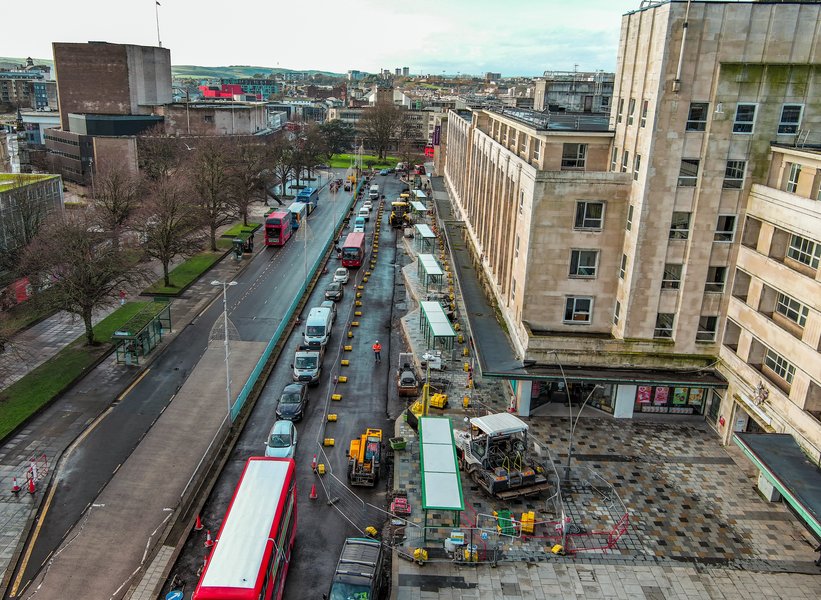
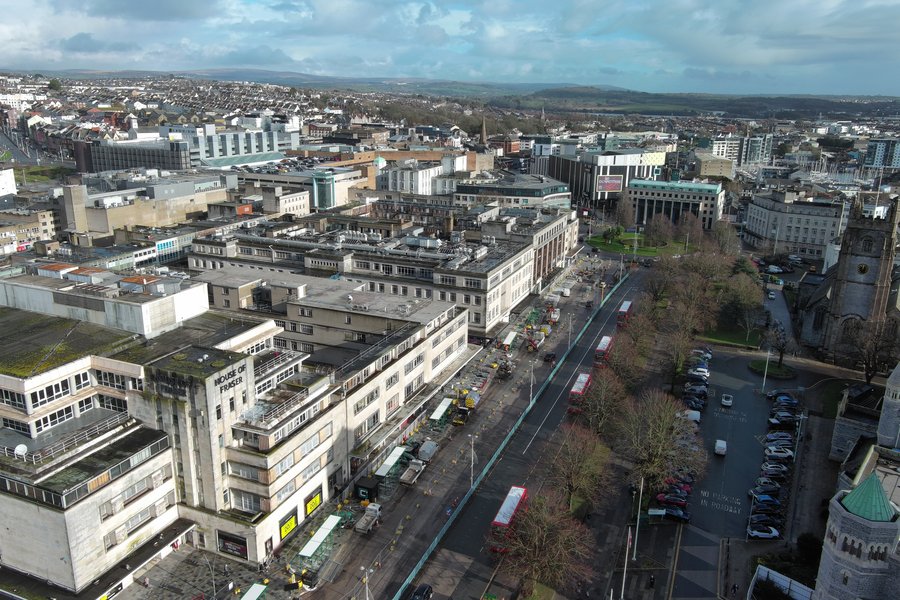
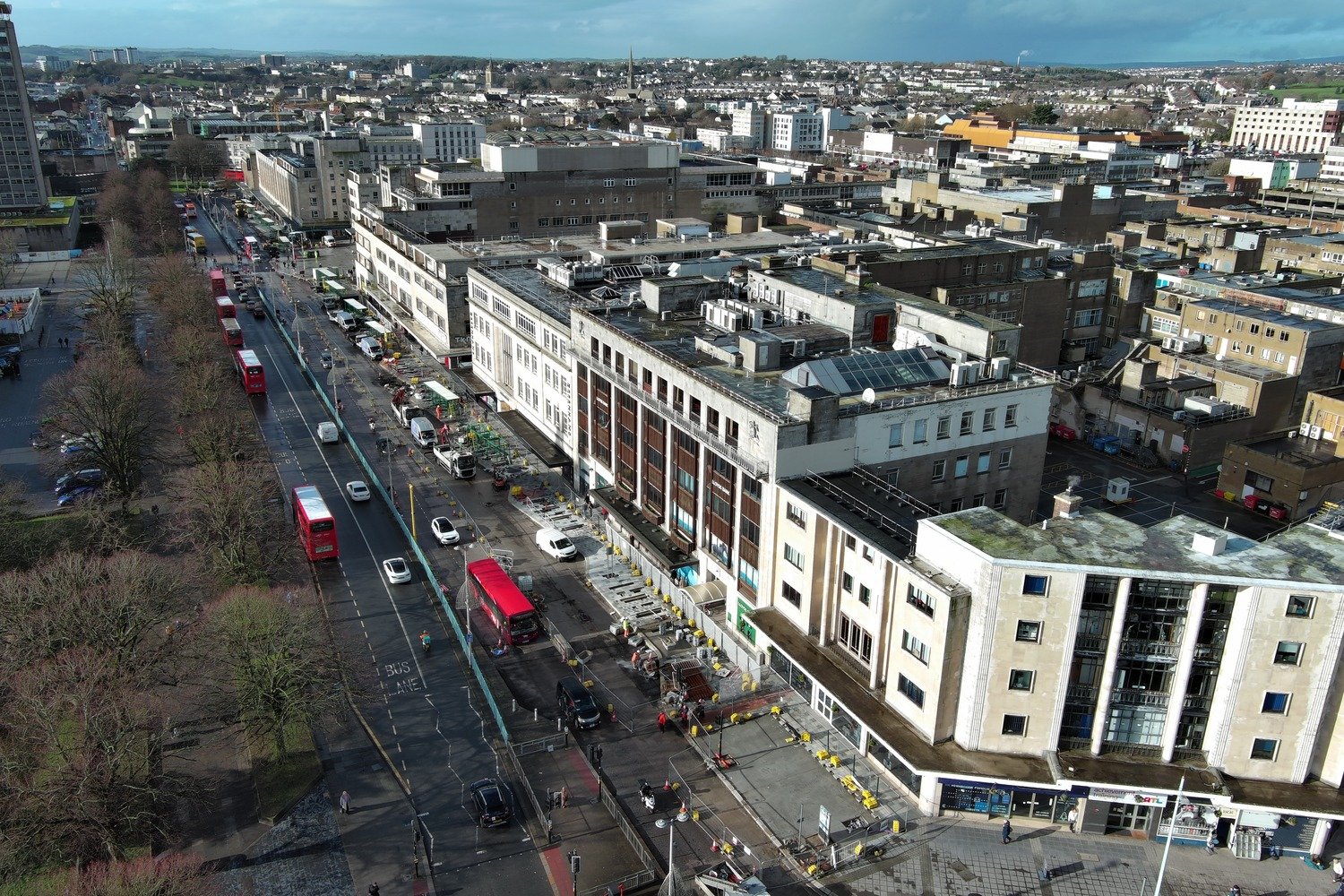
Morgan Sindall Construction’s South West business has begun the final phase of the Royal Parade Improvement Scheme in Plymouth, a major project set to enhance reliability along one of the city’s busiest public transport corridors.
Appointed by Plymouth City Council and delivered via the SCAPE Construction Framework, the project is designed to reduce delays at this key interchange by increasing the number of bus stops, easing congestion, and preventing double stacking of buses.
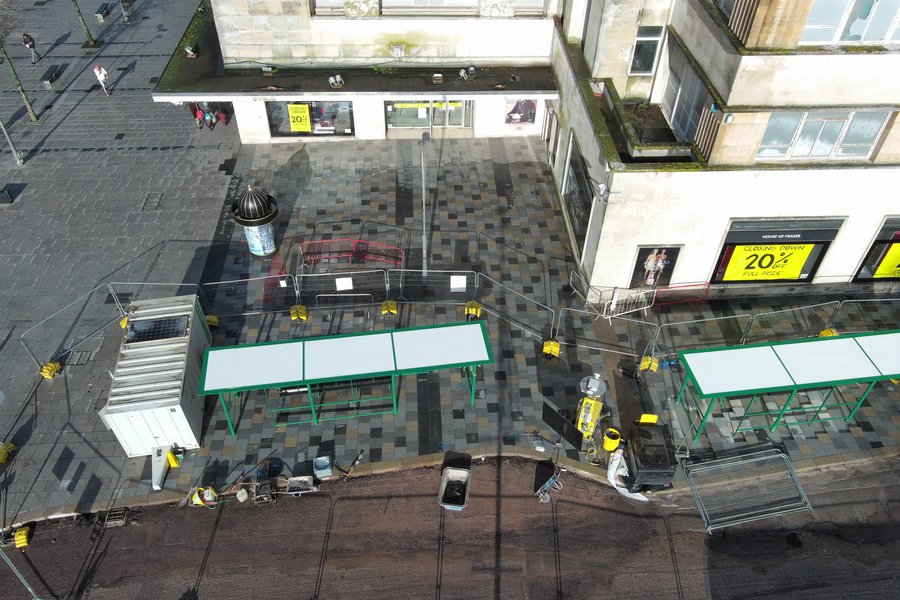
The final phase, on track for completion in spring 2026, includes a new sawtooth kerb line and paving around recently installed bus shelters.
Technical works completed by Morgan Sindall during previous phases of the project have addressed challenging ground conditions beneath Royal Parade, where historic slab deterioration has led to carriageway movement and cracking. Full-depth reconstruction was completed during overnight closures in December 2025, with further works now under way including planning, resurfacing, and new road markings.
Throughout this final phase, night-time working has been carefully planned to minimise disruption and maintain normal daytime operations along this heavily used route.
Royal Parade accommodates more than 100 bus services per hour and over nine million passenger journeys each year, making it a critical piece of Plymouth’s transport network.
Once complete, the improvements will help encourage a shift from private car use, particularly important in a city where nearly a quarter of households do not have access to a vehicle.
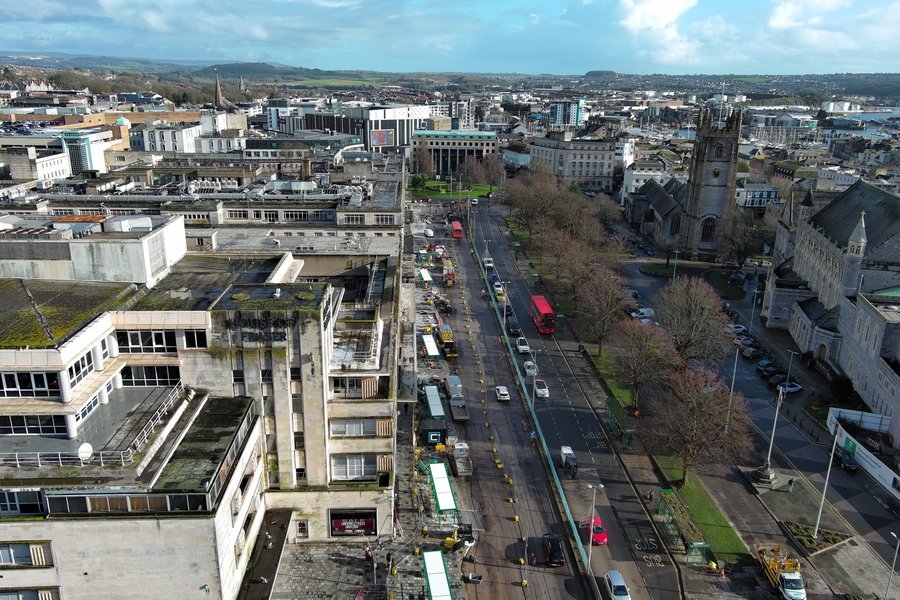
The project has been designed with a shallow sawtooth layout, increasing bus stops from 12 to 15 and improving safety and manoeuvrability by removing the need for buses to reverse.
Two new, larger bus shelters have already been completed, with two more under construction and a further 11 to be installed over the next two months. The shelters provide improved seating, greater accessibility, and will feature green roofs in spring.
As part of previous phases, high-quality modular granite paving has been laid throughout the project, replacing worn concrete slabs and enhancing the public realm. Additionally, an upgraded toucan crossing at Armada Way is improving connectivity for cyclists.
Once installed during the final phase, a new average speed camera system will further support safer and smoother traffic flow at the Armada Way crossing.
Throughout the project, Morgan Sindall Construction has worked to keep local businesses open and accessible, using temporary access solutions to minimise disruption during construction.
Graham Kingdon, Area Director for Morgan Sindall in the South West, said:
What an achievement it is to be entering the final phase of this important scheme at Royal Parade. This project will deliver long-term benefits for Plymouth’s public transport network and the thousands of people who rely on it every day, and it’s fantastic to be part of that.
Addressing the challenging ground conditions beneath Royal Parade has required careful planning and execution, and our team has worked diligently to strengthen the underlying infrastructure while keeping the city moving. Overall, we’re incredibly proud to be working in partnership with Plymouth City Council to deliver a more reliable, accessible, and sustainable public transport hub for the city.”
Councillor John Stephens, Cabinet member for Strategic Planning and Transport, said:
I’d like to thank everyone for being so patient while we carry out this scheme. We are on the final furlong and this means there will be overnight work and some disruption, but the end is in sight! Resurfacing means we are on the home straight. I don’t want to jinx progress by giving a specific end date, but we are weeks away from finishing.
Royal Parade is massively important to our bus network – there are over 100 buses every hour and over 9 million passenger journeys from or to Royal Parade every year. We are working to improve bus services to make it easier for everyone to get to work, school, shops and businesses or see family and with 25 per cent of households in Plymouth without a car, we need to improve sustainable travel choices.”
ENDS