

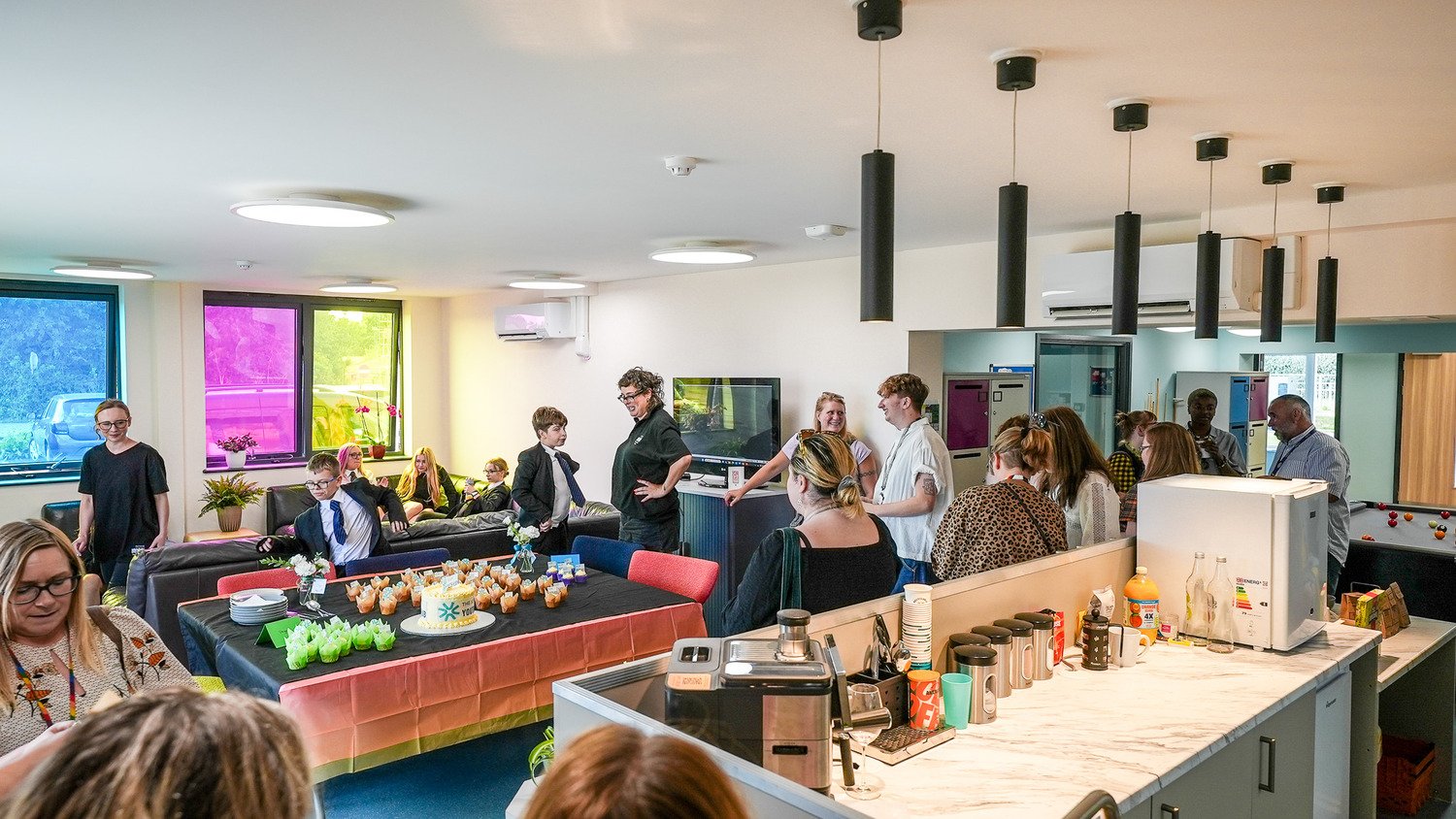
Growing up in the 80s and 90s, youth clubs were never more than a 15‑minute walk away; whether it was a standalone venue, a church hall or a multi‑use community centre, there was almost always somewhere for young people to “hang out.”
Whether we realised it or not, these spaces shaped us. They were safe, free, accessible, and they quietly strengthened the very fabric of society.
But now, it’s very much a case of you don’t know what you’ve got ’til it’s gone. Our recent research shows just how stark that loss has been.
Driven by austerity measures between 2010 and 2023, more than 1,200 council‑run youth clubs were forced to shut, after funding for youth services fell by almost 75% — a real‑terms shortfall of over £1.2 billion. A 2024 Institute for Fiscal Studies report for London Boroughs found that youth crime rose by 14% among young people who lost access to a youth centre within a 40‑minute walk, and average GCSE performance fell by half a grade in one subject. The impact was even more severe for young people from lower socioeconomic backgrounds, who performed more than a full grade worse in one subject.
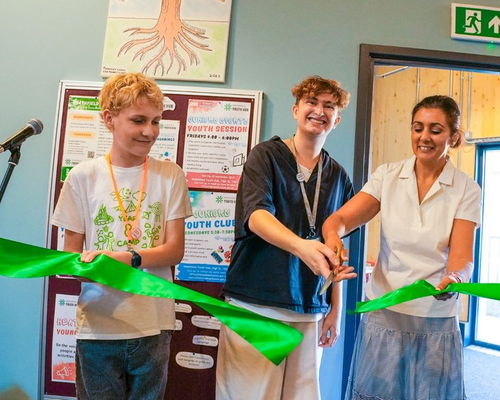
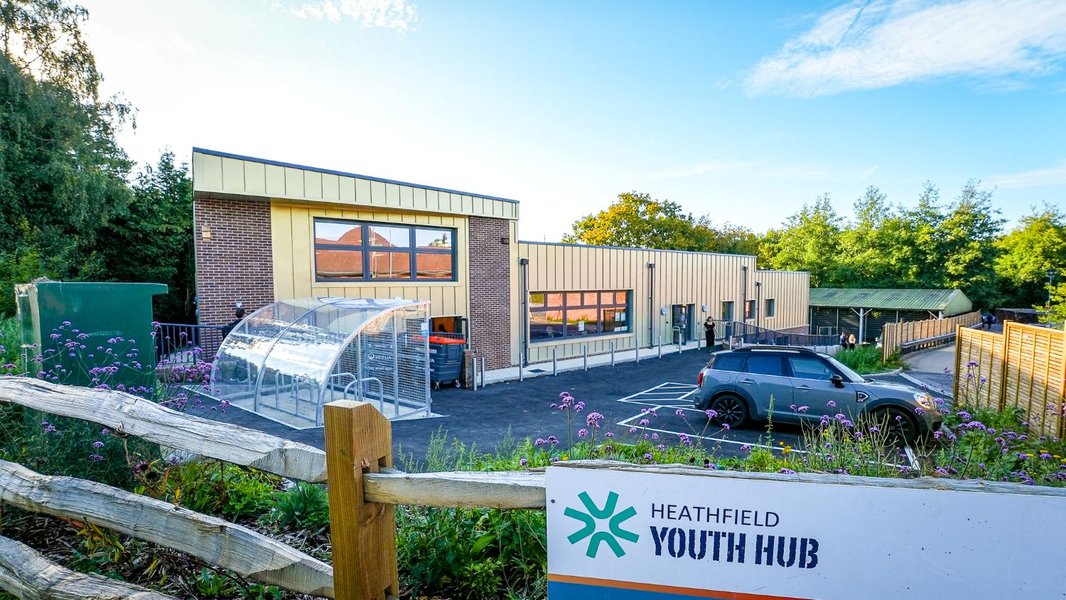
And yet, despite this national picture, last summer brought a glimmer of hope. Our Southern Home Counties business handed over two regenerated youth hubs for East Sussex County Council: Heathfield Youth Hub and The JOFF Youth Hub in Peacehaven. Standing inside these newly brought‑to‑life buildings, witnessing the passion of the youth workers leading them, we felt compelled to understand the true impact these facilities can have — not only for young people, but for entire communities.
We sat down with Heathfield Lead Youth Worker Ed Peasgood (pictured right) in to find out more.

A Space Young People Want to Return To
After Heathfield’s former youth centre closed for redevelopment, their youth work team moved into a temporary home of a Church on the High Street, allowing them to continue their work with small groups. When the new Youth Hub finally re-opened, the team saw a remarkable increase in young people using the space.
Now, with the new building, we’re regularly seeing 40 to 50 young people each evening. At the church, we’d sometimes only see 9 or 10.
What’s unfolding in Heathfield is more than a refurbishment — it’s a regeneration of connection, confidence and community.
The Return of Familiar Faces — and the Arrival of New Ones
One of the clearest signs of the hub’s impact has been the return of teenagers who drifted away during the temporary move. Ed describes the joy in seeing young people he first met in Year 7 or 8 now walk back through the doors as Year 10s.
That continuity is what youth work is all about, he says.
And it doesn’t stop with returning faces. The introduction of a new session for 7, 8 and 9 year olds has opened the doors to families looking for a free, safe and enriching space for their younger children to go. Parents have called it a “lifeline” and have been so pleased to see their children making friends outside of their school classroom. With this session lasting 3.5 hours, parents have the breathing room to work, shop, clean, or care for others — while their children are busy cooking, creating, talking, growing.
Why Youth Hubs Matter: Early intervention can change the future
Youth hubs aren’t just social spaces; they’re protective factors.
We’re not home, we’re not school – we’re another space and another adult that young people can speak to.
For some young people, the youth hub can be the only calm or consistent place for them and we regularly hear it’s a “highlight” of their week. It’s where trusted adults can spot issues early — long before they might escalate into school exclusion, mental health crises, or unsafe behaviours.
From learning how to make home-made pizza to accessing confidential sexual health advice, from finding friendships to celebrating small but powerful wins, the hub supports young people through challenges big and small.



Growing Leaders, Building Confidence
The Young Leaders programme is one of the hub’s proudest achievements. A cohort of young people aged 12–16 help run sessions for younger users, supporting our adults to run art activities, referee sports games or teach young people recipes. Through this role, they take responsibility, act as positive role models that young people can look up to and develop valuable knowledge about safeguarding and health and safety.
Some of these young leaders may have struggled in school — with behaviour, with mental health, or with confidence. But here, they shine.
We give them trust and responsibility, believing in their abilities.
And it shows. They grow into role models. They find purpose. They realise what they’re capable of.
A building designed around young people
The new building has transformed the youth work offer:
- A dedicated art studio for clay, sewing, murals and group projects
- A music room
- Private 1:1 rooms for confidential discussions and advice
- A new sports hall and gym suite which compliments the existing outdoor court
- Multiple rooms for simultaneous sessions, from LGBTQ+ groups to year‑based programmes
Where staff once had only one small room, they can now run two sessions at once, tailor activities, and support diverse needs without compromise.
Having more space has given our team the freedom to deliver stronger and more innovative youth work.
A Hub for the whole community
The Heathfield Youth Hub is now a base for wider family services, including health visitors, early years teams and early help keyworkers. This integration strengthens the support network around families in Wealden, housing services in a one-stop shop. This early intervention reduces pressure on social care and helps the whole family to succeed. It’s well-d0cumented that social workers are stretched across the country and we can all reduce that demand by supporting children and families earlier, and for longer.
Community cohesion has grown around the hub; we’ve seen more interest from locals in taking on paid positions and volunteering. Everyone is keen for the hub to succeed and local people want to do their bit to make this happen, which tells you these aren’t just youth hubs, they are anchors to the community.
Heathfield’s story is proof of what happens when we invest in young people:
They feel safe.
They feel seen.
They feel they belong.
Youth hubs prevent crises, reduce isolation, improve wellbeing, and build the quiet confidence that shapes futures. They should not be optional or “nice to have,” they should be viewed as a vital part of any thriving community.