

A beginning, not a finish line
By Jamie Shearman, Area
Director, Cambridgeshire
Two weeks ago, we launched our Just Transition initiative in Peterborough. While the name matters, what matters more is the intention behind it: recognising that as our industry evolves, we have a responsibility to make sure people aren’t left behind, and that opportunities to work in construction are genuinely open to more people.
Since that launch, I’ve had the chance to see that intention take shape.
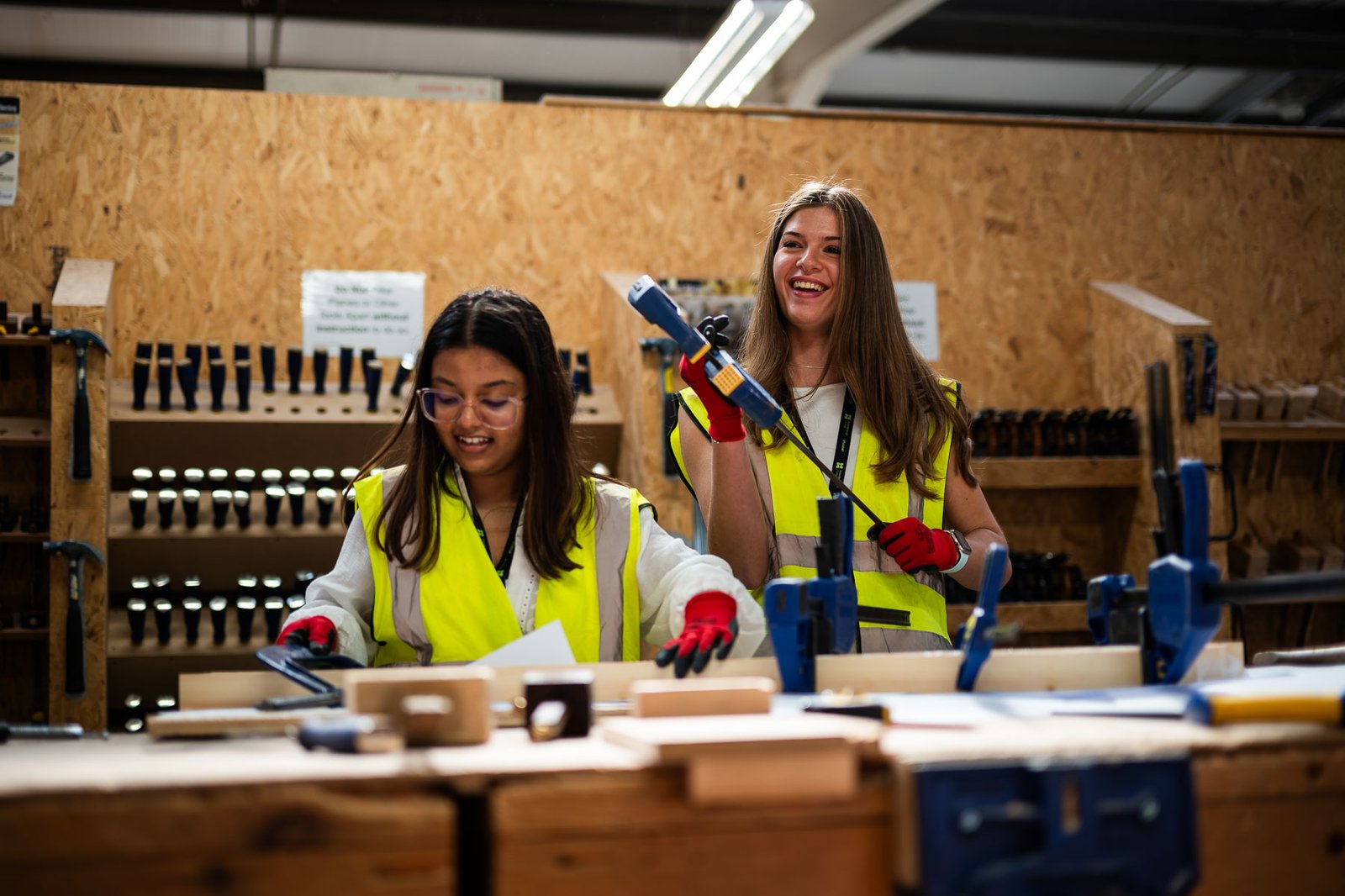
Over the past fortnight at Peterborough College, a group of women - each coming from very different personal circumstances - have taken part in a bespoke programme designed to introduce them to construction in a practical, supportive and realistic way.
Many hadn’t previously imagined construction as a viable option. Some had tried to secure work in the past and found doors closed for reasons outside their control.
What they’ve done over the last two weeks deserves real credit.
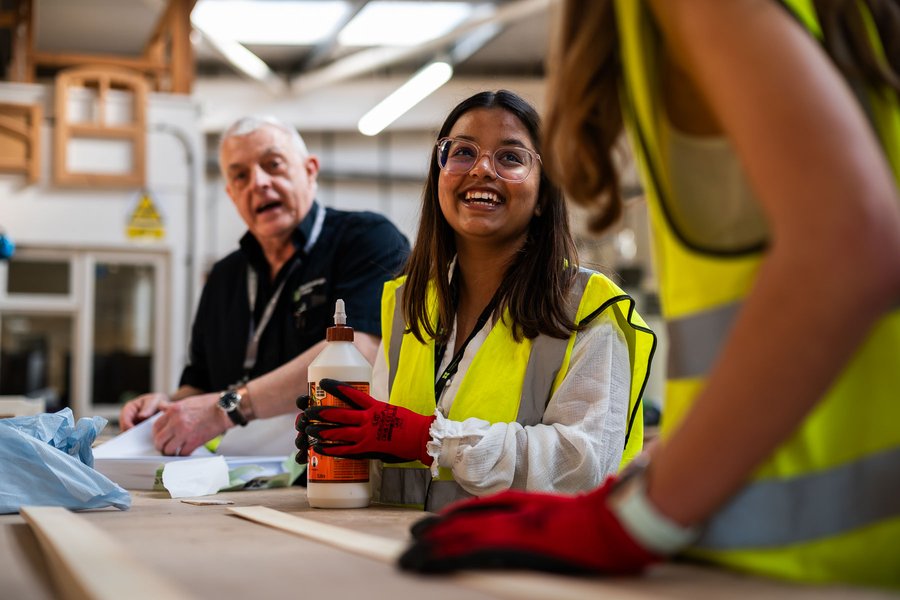
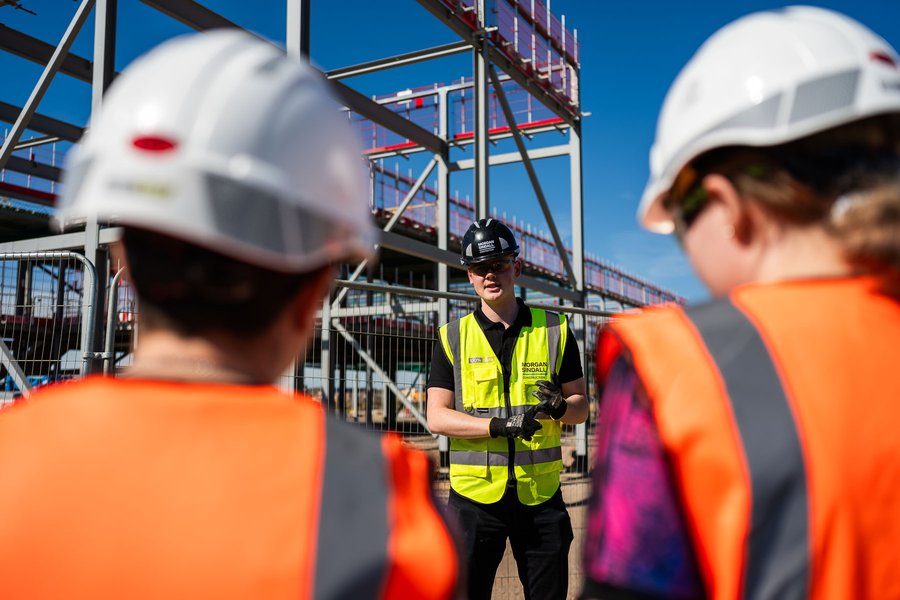
They’ve worked through a broad mix of hands-on activities - plumbing, bricklaying and carpentry - alongside sessions on sustainability, social value and design. They’ve taken part in employability workshops, including CV writing and mock interviews, and visited a live construction site at our new build £14m Great Haddon Primary School project here in Peterborough.
None of it has been lightweight, and none of it has been tick-box.
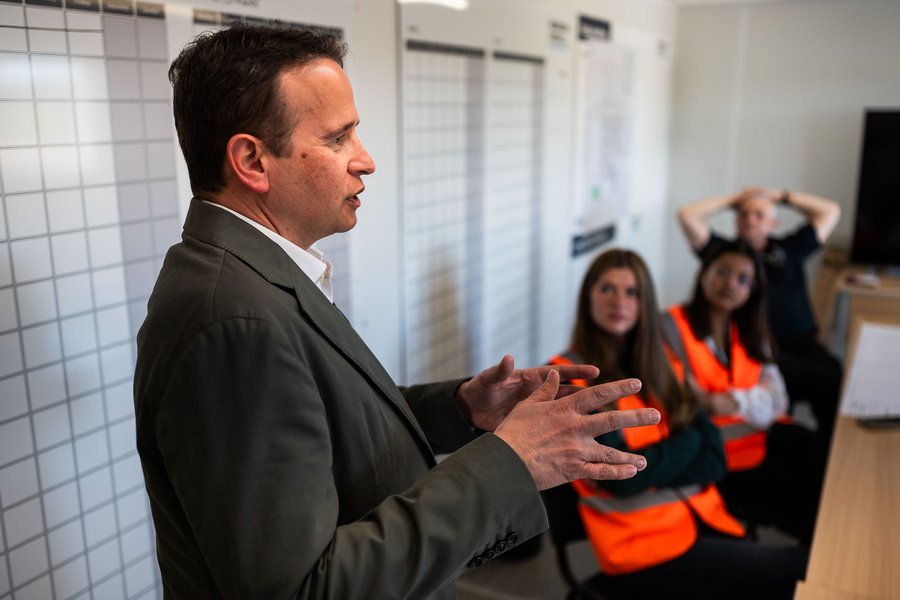
I joined them earlier this week, walking the Great Haddon site together. I spoke briefly about my own route into construction, but what stayed with me far more were the conversations I had with the women themselves; what had brought them onto the programme, what they were enjoying, and what they were hoping for next.
There was a mix of nervousness and confidence, which felt entirely natural. More than anything, there was a quiet determination to make the most of the opportunity in front of them.
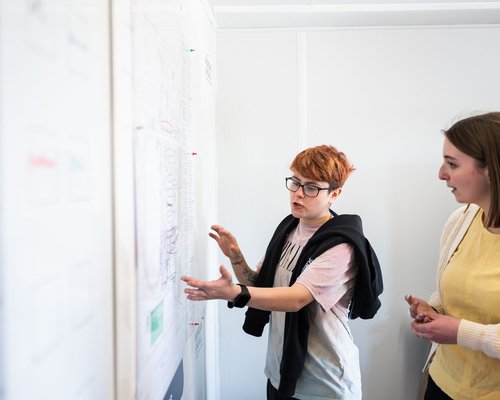
On Friday, the two-week college element came to a close with interviews involving Morgan Sindall and a number of our supply chain partners. The women were able to speak directly with employers and decide who they wanted to spend their paid 12‑week work placements with, while employers in turn got a proper sense of their skills, attitude and potential. It felt like an important moment. Not a conclusion, but a shift from learning into doing.
This programme has been more than a year in the making, and it’s right that the credit sits firmly with the team who’ve driven it forward. Ella Shuttleworth, Helen Clements and Nicola Biggs have put an enormous amount of thought and care into making this work. Not just in theory, but in practice.
Alongside Peterborough College, Inspire Education Group and the Cambridgeshire and Peterborough Combined Authority, they’ve helped shape something that feels credible, purposeful and rooted in the local community.
I’ve said for a long time that construction needs to do better at attracting women into the industry.
Not just talking about it, but actively creating routes in that reflect the realities people face.
Hearing some of the challenges these women have experienced in trying to secure work is sobering. It reinforces why programmes like this matter, and why they need to lead to real outcomes.
We’re very much at the beginning. The next phase - the paid work placements - is where this initiative will really be tested, and I’m hopeful it will result in longer-term opportunities for many of the women involved. If it does, that will be down to their commitment and willingness to step forward, as much as anything else.
What I do know is that over the last two weeks, a group of people who might never have seen a place for themselves in construction have been given the time, support and belief to try. If this programme helps change perceptions (ours included!) and provides a model we can build on elsewhere, then it’s something well worth pursuing.