

By Gill Roberts,
Senior Social Value Manager
If we want more young people to join our industry, are we doing enough to help them experience it?
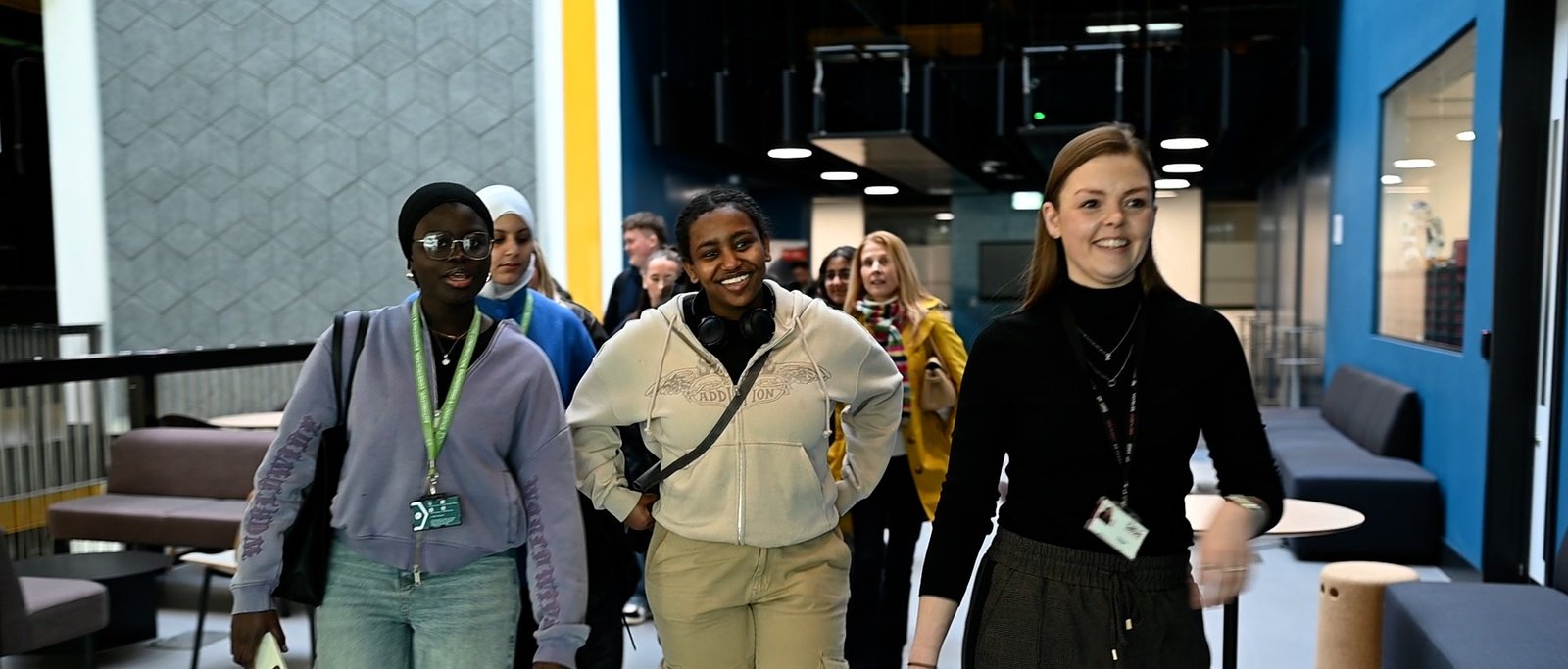
It’s a question I’ve found myself returning to as we’ve developed Futures Academy and built our partnerships with The Manchester College, City of Liverpool College and Blackpool and The Fylde College.
We often talk as an industry about skills, future talent and encouraging more young people into construction. But educators have challenged us, quite rightly, to think about the role employers need to play in making that happen.
For T Level students in particular, meaningful industry experience isn’t an added extra. It’s a fundamental part of their education. And colleges simply cannot deliver that experience on their own.
That puts a responsibility on us as employers. But one of my biggest reflections from developing Futures Academy is that simply opening our doors isn’t enough. There’s a big difference between providing students with time in the workplace and creating an experience that genuinely helps them understand where they could fit within our industry.
Learning what meaningful engagement looks like
We’ve had to learn and evolve our approach along the way.
In the early days, our activity wasn’t always as coordinated as it could have been. We had enthusiastic colleagues who wanted to help, but without enough structure around that involvement, it was harder to create a consistent experience for students.
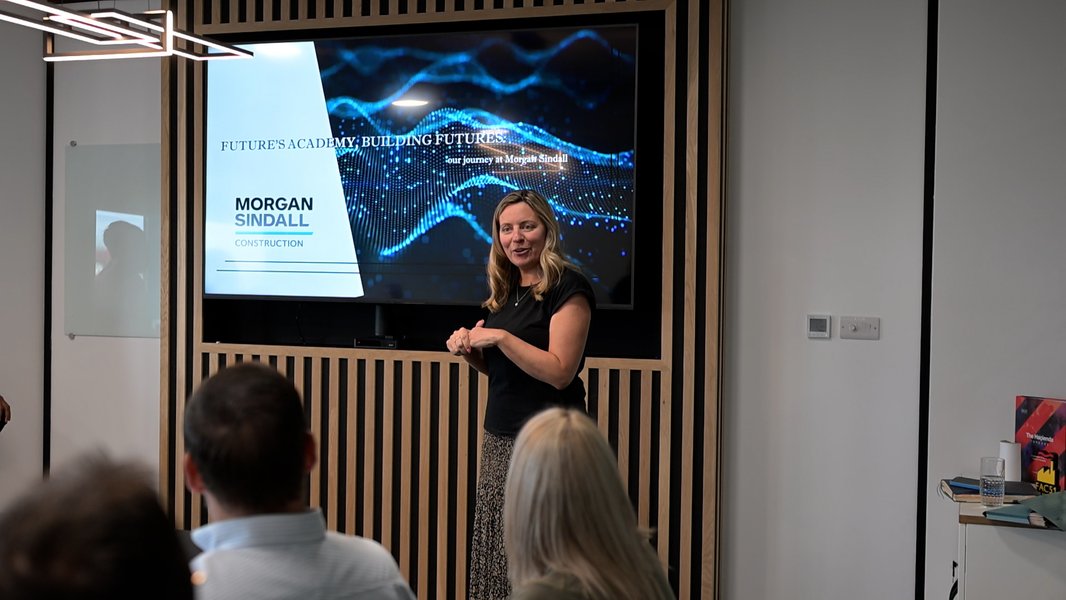
Today, we're much more deliberate about it. We structure our programmes so that colleagues can dedicate specific time to supporting students, while students are given meaningful projects and challenges that allow them to apply what they have learned.
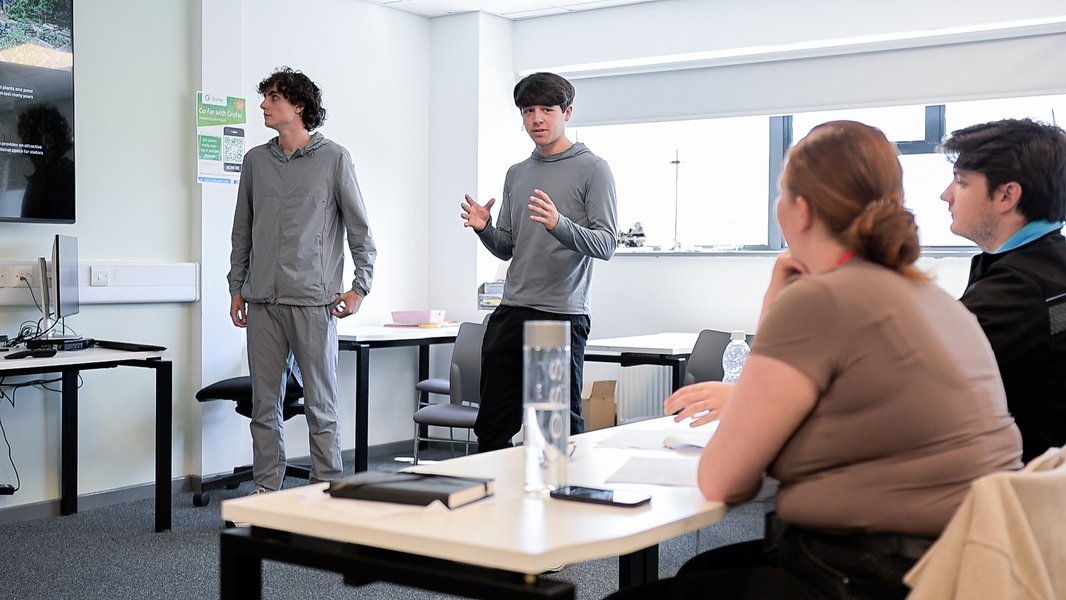
For example, the employer-led project model includes structured briefing, review, coaching and final presentation stages. Students work on real-world issues around the workforce, environment and community, with ideas capable of being implemented by our project teams.
And that commitment is becoming significant. During the 2025/26 academic year, 93 students took part across our cohorts, representing 10,710 hours of student activity.
For me, though, the number of hours is less important than what happens within them.
Different partnerships, different stages
What I find particularly exciting is seeing our partnerships at different points in their development.
In Blackpool, we’re nearer the beginning, creating opportunities for students to engage with industry and building the relationship between education and our project teams.
In Liverpool, we’ve seen students undertake employer-led project activity and begin to experience the realities of working with industry, applying their learning to real situations and developing their confidence along the way.
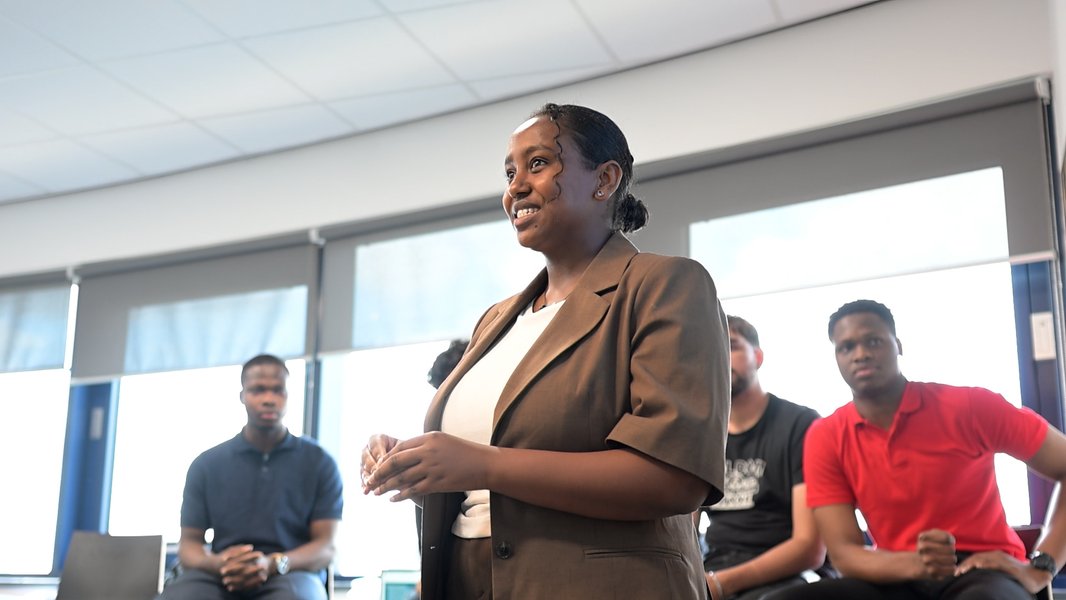
And perhaps Manchester provides the clearest picture of where a sustained partnership can ultimately lead. We've now seen students progress through the programme and begin taking their next steps, with young people securing apprenticeships within the construction industry. For me, that's what this is all about.
Success isn’t about persuading every student to follow the same route. It's about giving them enough meaningful exposure to understand the breadth of opportunities available, discover where their interests and strengths might lie, and make a more informed decision about their future.

A challenge to industry
The biggest thing I've learned from Futures Academy is that neither education nor industry can do this successfully on its own.
Colleges bring an understanding of their students and the technical education they need. As employers, we can add context. We can give young people access to workplaces, projects and professionals. We can show them the breadth of careers that sit behind the word construction and help them understand how what they are learning connects to the real world.
But that requires more than occasional engagement. It requires sustained partnership, structure and a willingness from employers to give their time.
If we're serious when we talk about tackling the skills challenge and attracting the next generation into our industry, then we need to recognise our role in making that happen.
Futures Academy will continue to evolve, just as our relationships with Manchester, Liverpool and Blackpool continue to evolve. But seeing those partnerships at different stages has reinforced something for me.
It isn't simply about opening the door to our industry. It's about working alongside education to build a bridge that helps young people cross it.
Watch the film below to hear from the students and education leaders involved in our Futures Academy partnerships.