


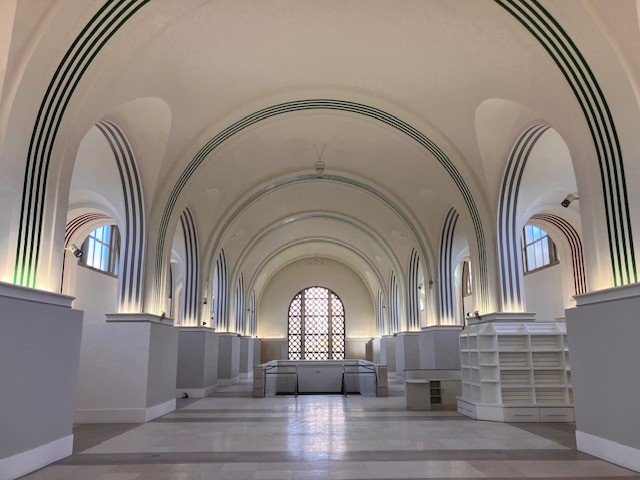
SCC Art Gallery Roof
The Southampton City Art Gallery project was a significant refurbishment scheme, undertaken to protect and preserve one of the city’s most valued cultural landmarks for future generations.
Key Stats
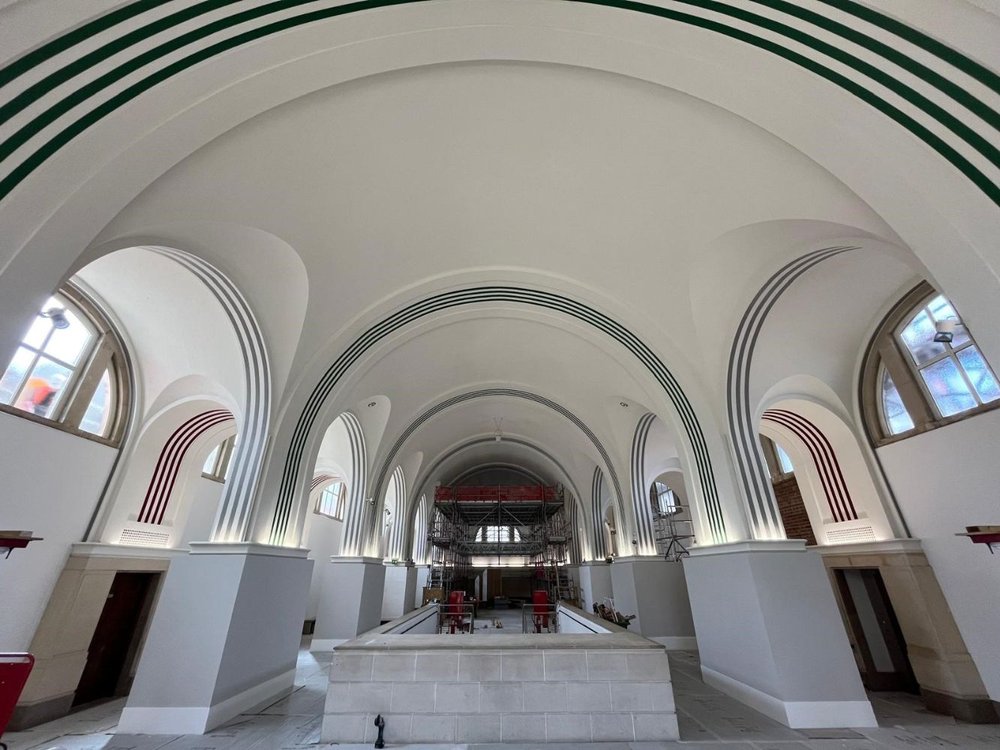
- Refurbishment works to the existing Southampton City Art Gallery including the West Wing roof replacement, plant replacement and a raft of internal works
- CCS Score - 43/45
- 128 charitable / volunteering hours donated
- £2644 worth of charitable funds/materials donated throughout the project
- 99% Waste Diverted from Landfill
- Customer Recommended - 10/10
At a Glance

Budget
£4.5m

Completion
December 2025

Location
Southampton

Framework
Hampshire Intermediate Construction Framework 3 (HICF3)

Sector
Leisure, Community

Social value
53% Social Value ROI

Sustainability
99% Waste Diverted from Landfill
Background context of the project
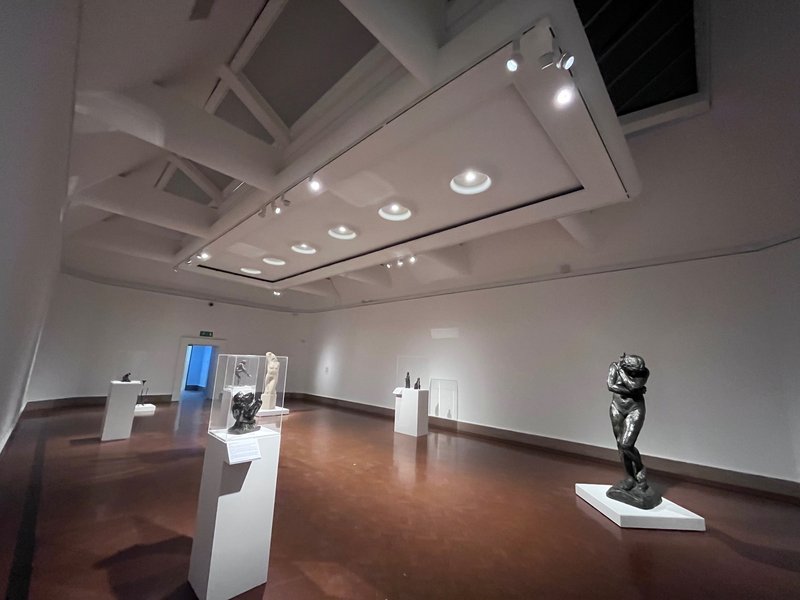
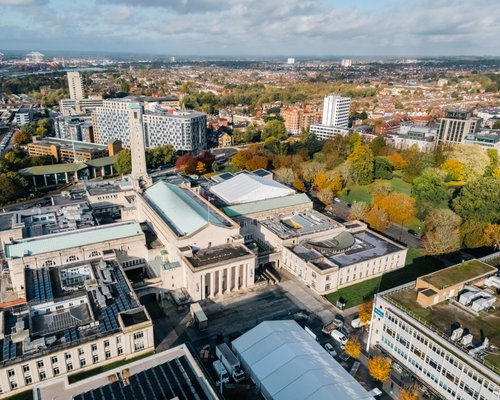
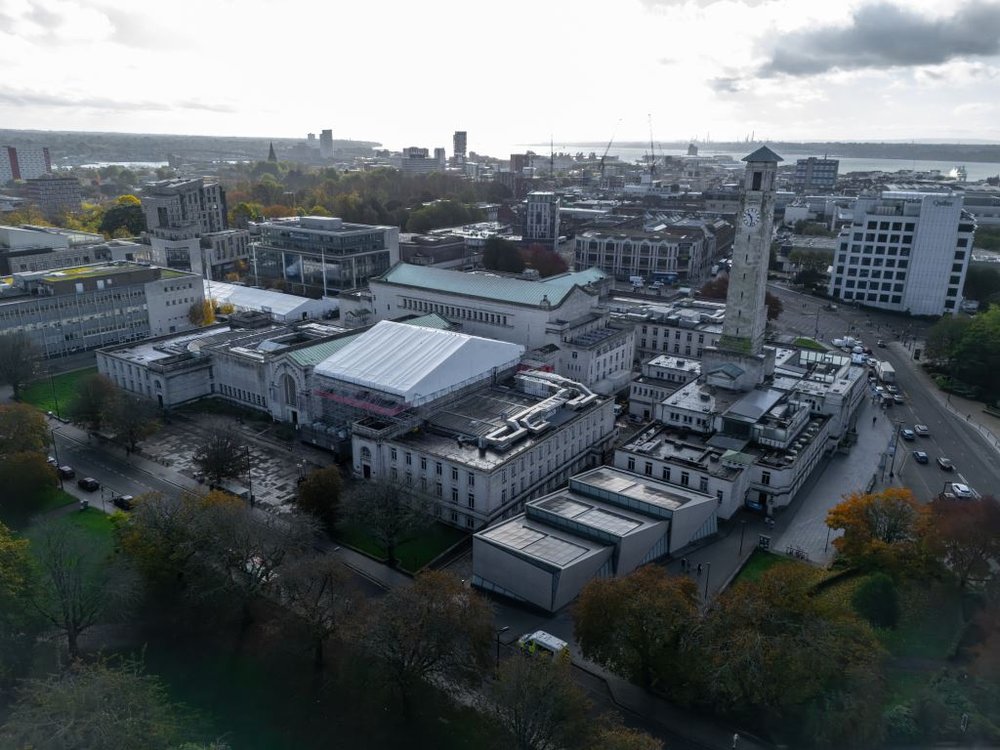
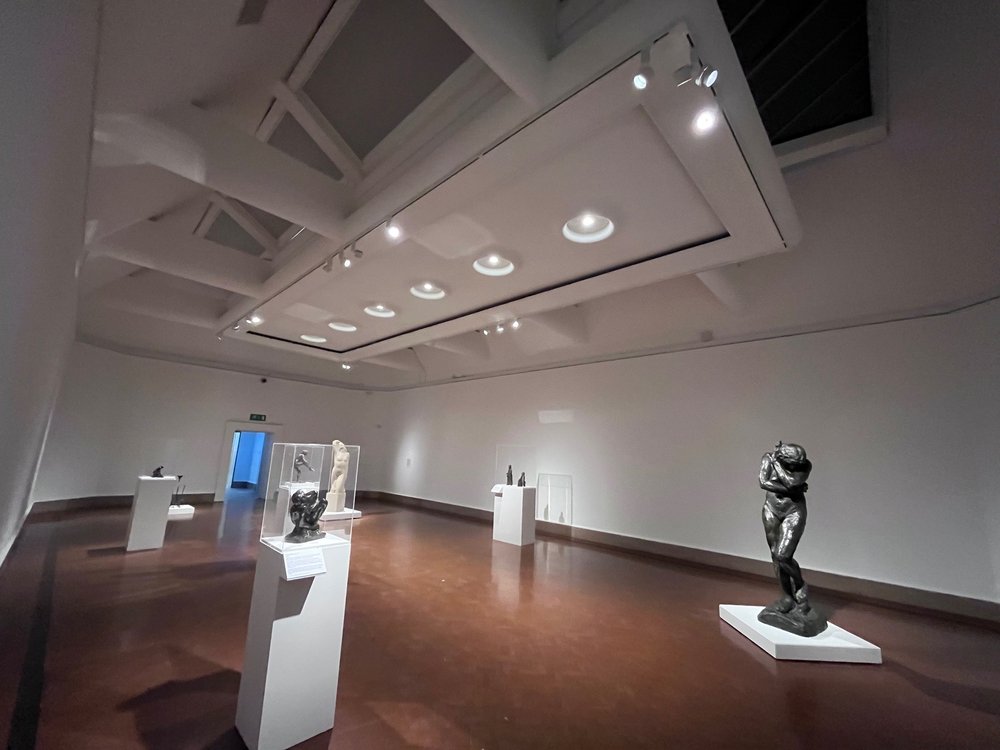
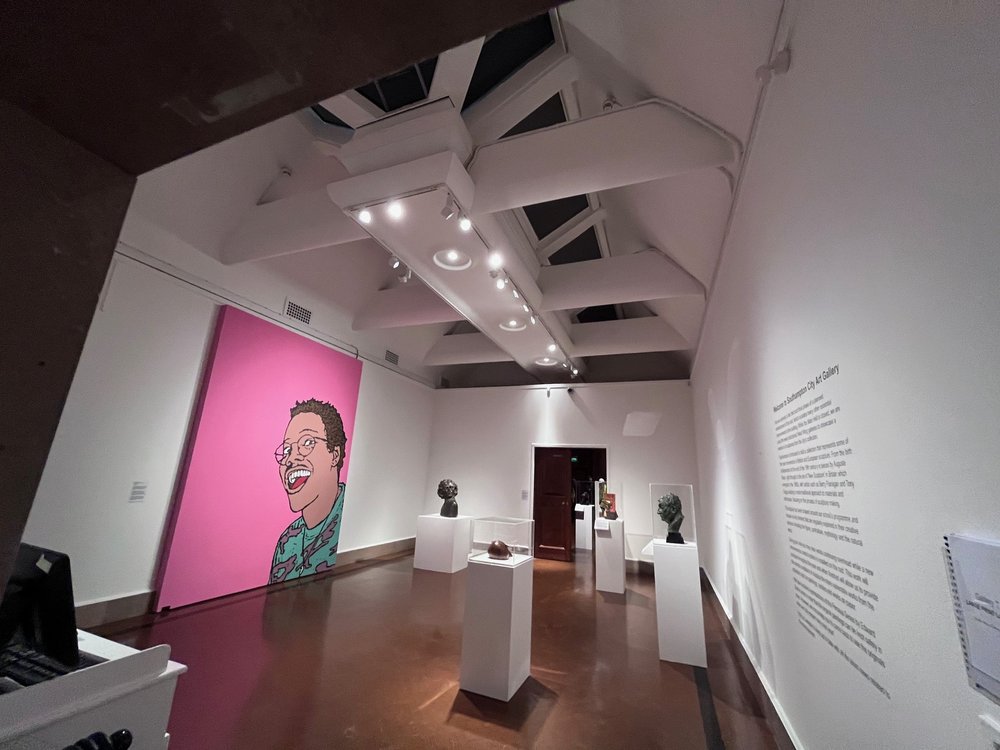
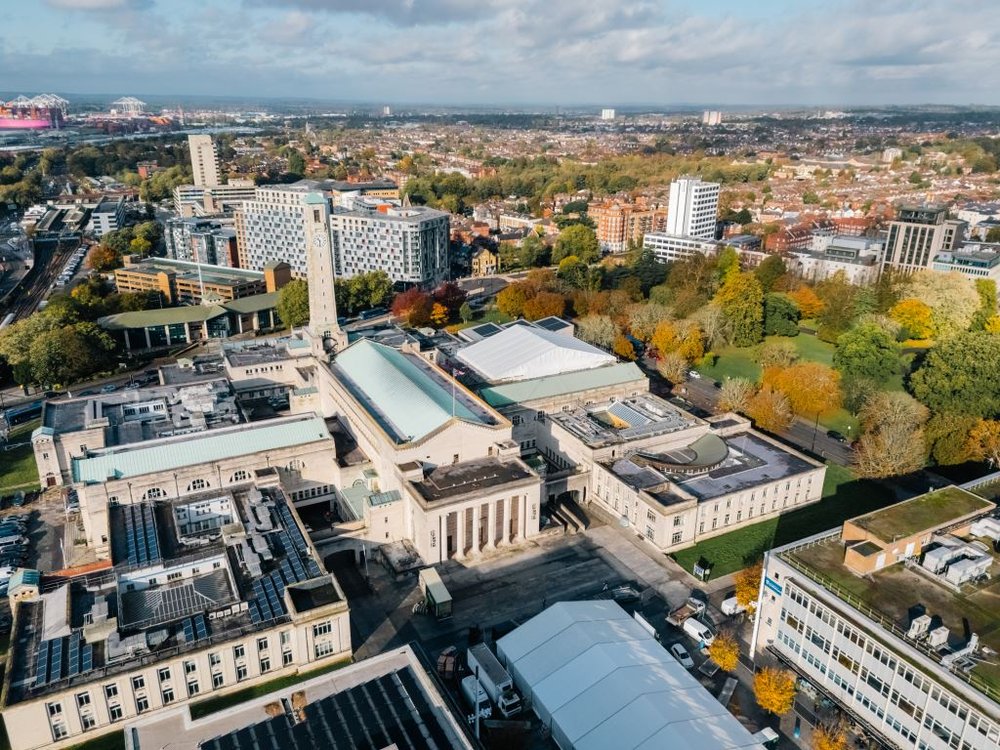
At the heart of Southampton’s Civic Centre sits the Grade II listed Southampton City Art Gallery, home to one of the UK’s most valuable art collections, encompassing more than 5,300 works across six centuries of European art. Maintaining the building’s performance, resilience, and environmental control was essential to both the protection of this heritage collection and its continued public enjoyment.
Over time, it became apparent that the West Wing of the Gallery could no longer provide the stable, controlled environment required for museum‑standard artwork. The existing mastic asphalt roof coverings and rooflights had reached the end of their serviceable life, leaving the collection increasingly vulnerable and exposed to risk.
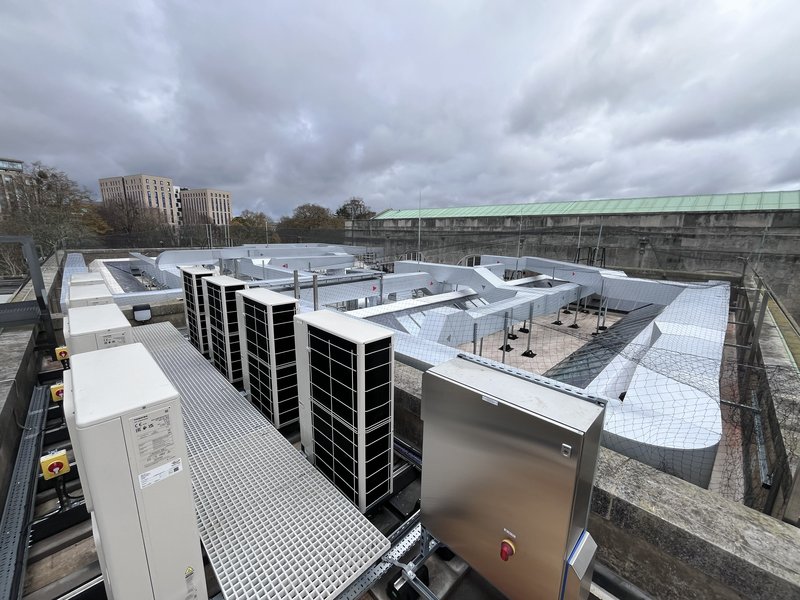
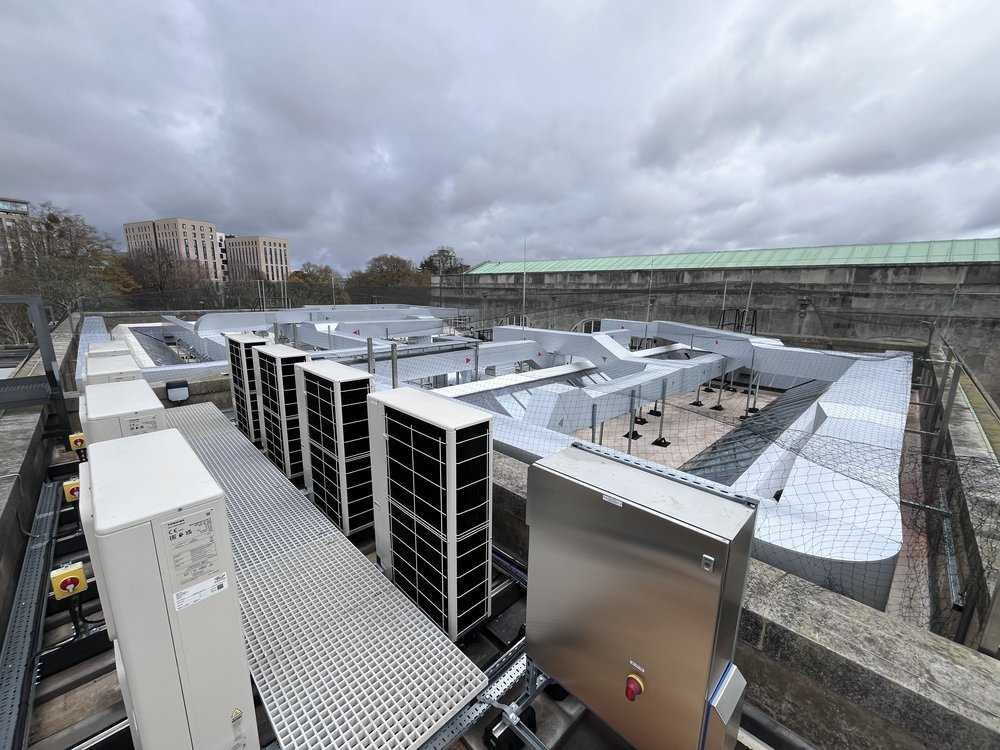
At the same time, the roof‑mounted air‑conditioning plant had become obsolete. Restricted access, physical deterioration, and an unsuitable layout meant the system could not be effectively maintained or upgraded in isolation, while its performance no longer met conservation standards. Following a detailed assessment of potential remediation options, it was concluded that a wholesale replacement of the West Wing roof represented the most viable, sustainable, and appropriate long‑term solution for the building.
Our Approach
As such, the project required a comprehensive programme of roofing, mechanical, and associated refurbishment works, including:
- Strip and renewal of mastic asphalt roofing across ten roof areas of varying size and configuration
- Insulation upgrades, replacement rooflights, and renewal of associated drainage systems
- Removal of existing roof‑mounted air‑conditioning plant and installation of new mechanical systems to achieve museum‑grade environmental standards
- Upgrades to roof access infrastructure and glazing to the existing crittal windows
- Replacement of the main gallery security shutter
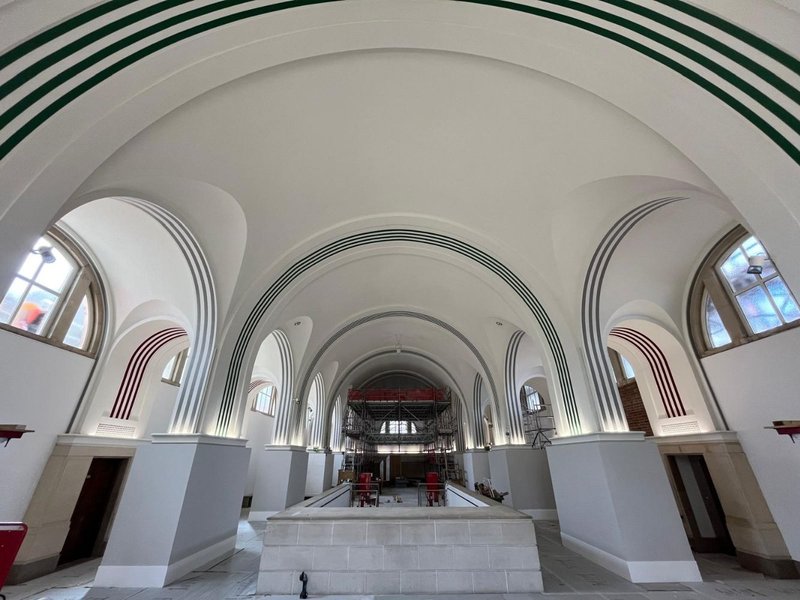
- Internal redecoration to any affected area
- Extensive temporary works, including scaffolding and temporary weather protection
Delivery Within a Live Civic Environment
Set within a complex, multi‑use civic estate, Southampton City Art Gallery needed to remain open and operating safely for the duration of the works.
Early planning focused on identifying shared services, structural interfaces, escape routes, and security boundaries to ensure risks were understood and controlled. Ongoing coordination with affected parties including the estates teams, curators, library management, and police representatives informed a phased programme that supported safe continued use of the building while minimising disruption.
Noise and vibration were managed through agreed limits, monitoring arrangements and escalation procedures, enabling work to be adjusted promptly where required. This included changes to working hours, methodologies and plant selection.
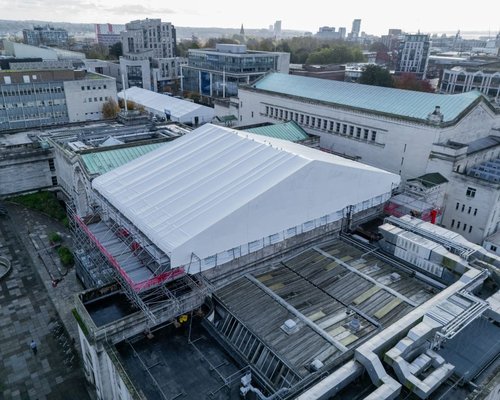
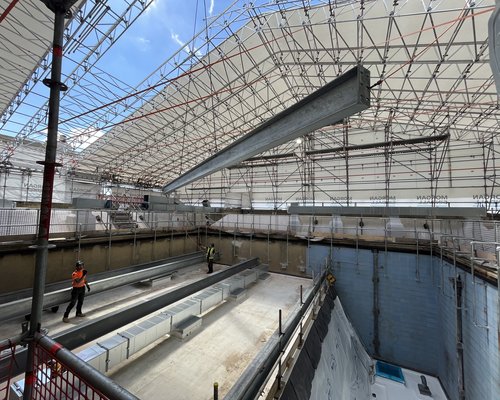
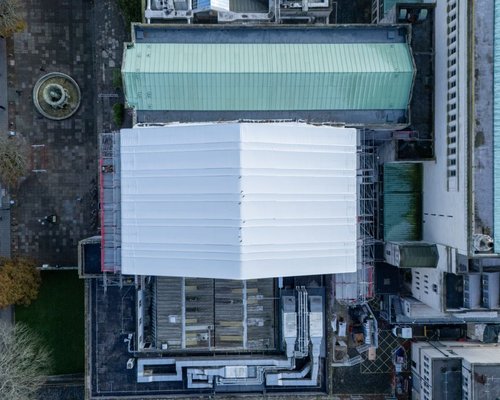


Temporary works formed a key element of the project’s safety strategy, with particular focus on the design and installation of scaffolding. Given the significance of the gallery and the sensitivity of its collection, a solution was required to provide stable access, environmental protection and controlled working conditions throughout the roof replacement.
Working closely with specialist subcontractors Skill Scaffolding - who partnered with Layher Scaffolding - a modular system incorporating Layher’s XL Keder temporary roof was developed. The free‑standing structure spanned across 36 metres and fully enclosed the works, providing consistent protection from weather exposure. The rolling roof arrangement enabled safe, controlled access to work areas while maintaining enclosure integrity, supporting the safe delivery of works within a live heritage environment.
Heritage and Conservation Management
As a Grade II listed building, the works within the Art Gallery required a highly sensitive and carefully controlled approach to safeguard its historic fabric while accommodating complex construction activity. Firstly, conservation considerations were woven into every stage of planning, sequencing, and methodology development. All heritage‑related approvals and technical queries were carefully managed through the client’s Project Manager and Architectural Technician, who acted as the formal liaison with the Conservation Officer.
A key principle of the approach was to avoid intrusive works wherever possible. Where fixings into historic stone were unavoidable, works were undertaken under tightly controlled conditions and fully reinstated by a qualified stonemason, ensuring original materials, detailing, and appearance were preserved.
This was exemplified within the main gallery, where the installation of a new security shutter required the temporary removal of existing stone cladding. Each stone was meticulously dismantled, individually numbered, and securely stored, allowing for precise reinstatement on completion and ensuring the gallery’s original character and appearance were fully retained.
Social Value and Sustainability
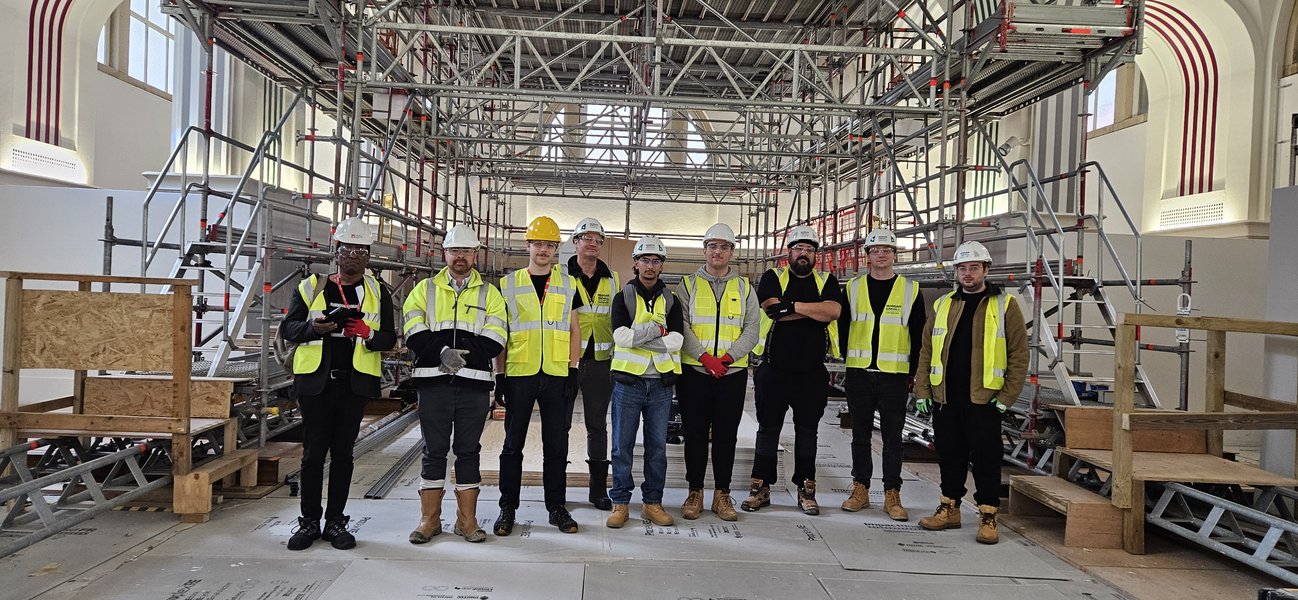
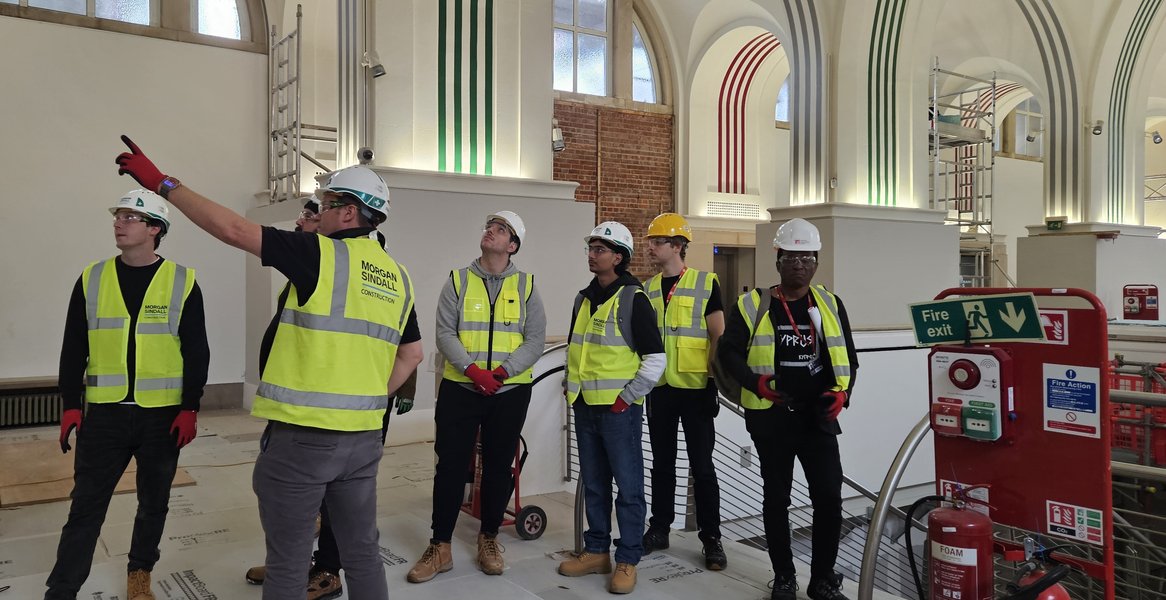
Beyond its technical achievements, the project delivered meaningful social and environmental value. Local engagement was a clear priority, with 26 SMEs contributing to the works and a strong focus placed on skills development. This included the support of six apprentices, a T Level student, dedicated apprentice and work‑placement weeks, and meaningful engagement with local schools, reaching 839 students over 49 hours.
In parallel, charitable donations to local organisations helped ensure the project left a positive legacy for the surrounding community, with a total of £2,644 in funds and materials donated over the course of the works.
Lastly, environmental performance was a consistent priority throughout the project, with 99% of waste diverted from landfill in support of wider sustainability objectives.
Gallery
Related News
NEWS

Morgan Sindall celebrates handover of new Nottinghamshire SEN school
Morgan Sindall Construction has successfully completed and handed over Horizons Academy, a new state-of-the-art, specialist educational needs (SEN) school in Mansfield.
NEWS
New £17.6m police training centre takes shape in Staffordshire
Morgan Sindall Construction’s Midlands business has marked a major construction milestone with a topping out ceremony on 18th March at the new Police Firearms Training Facility for Staffordshire Police …
NEWS

Construction Begins on Rhosafan's New £29m Primary School
Morgan Sindall Construction’s Wales business has commenced construction of Rhosafan Welsh Medium Primary School (Ysgol Gynradd Gymraeg Rhosafan), having been appointed to deliver the project by Neath Port Talbot …