


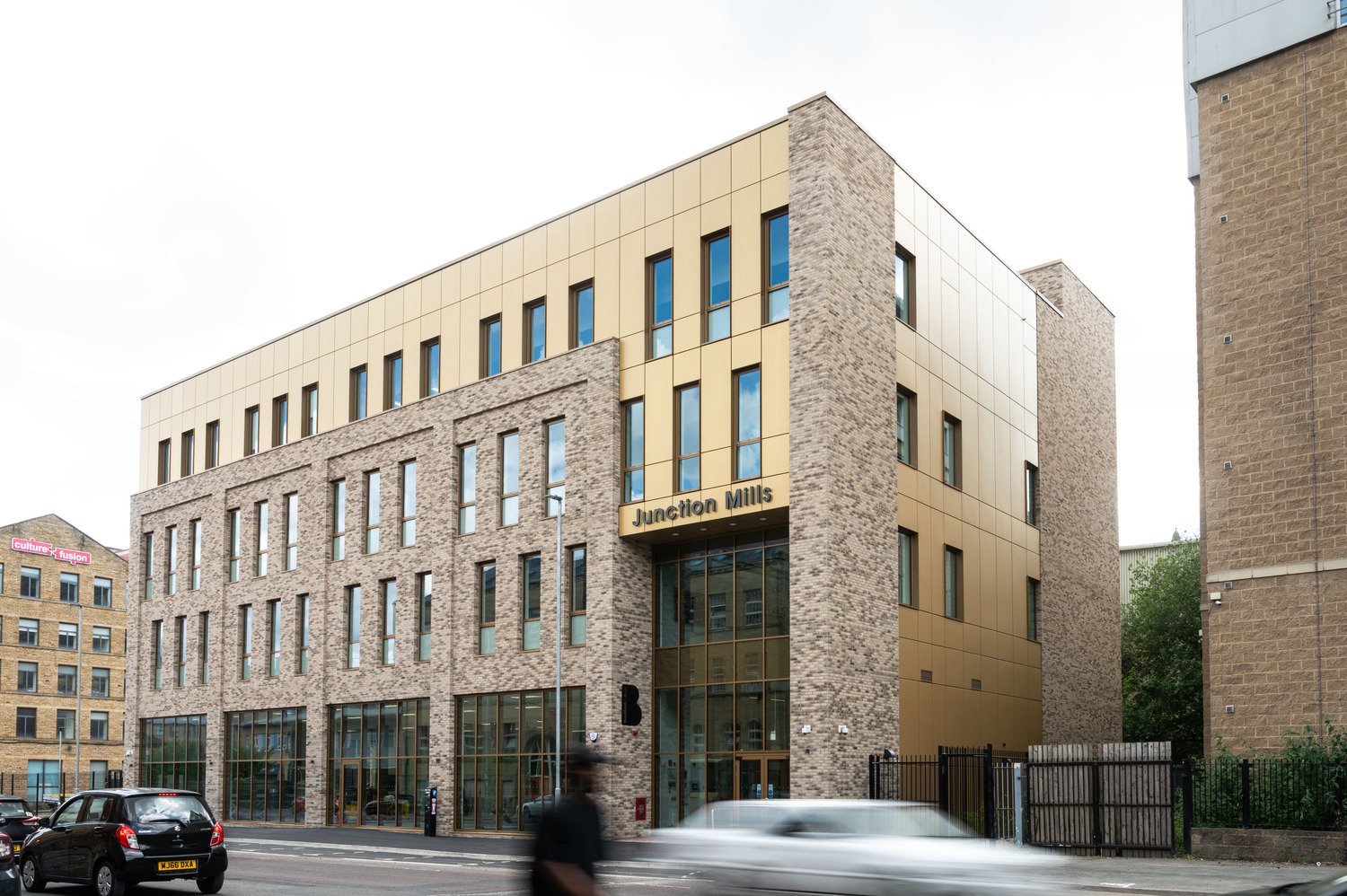
Future Technologies Centre, Bradford College
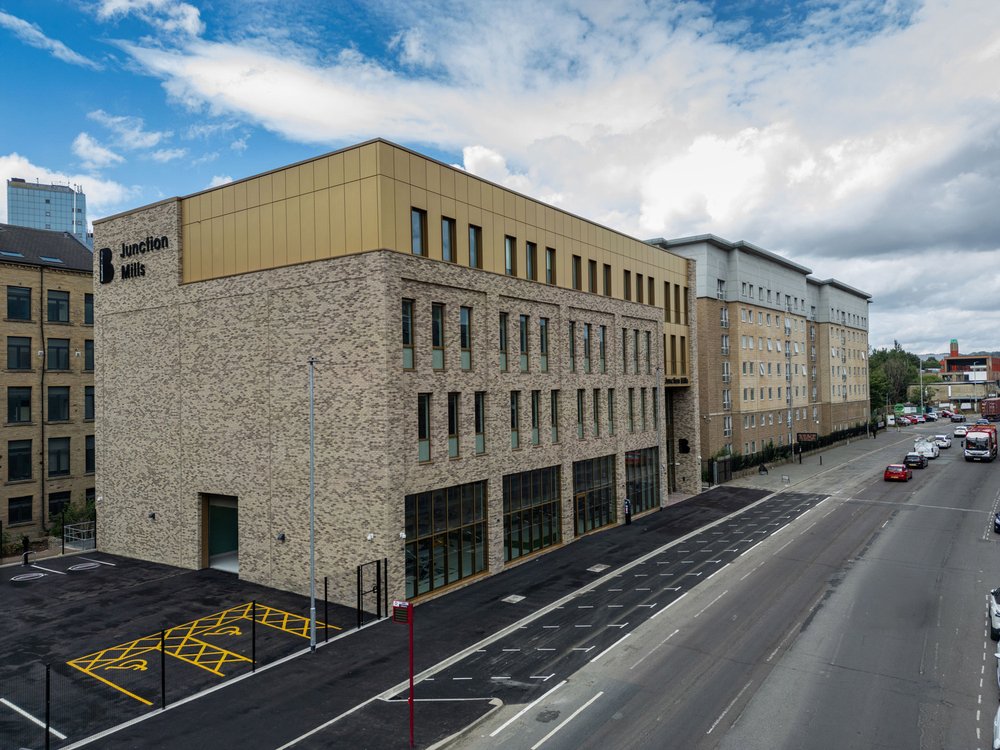
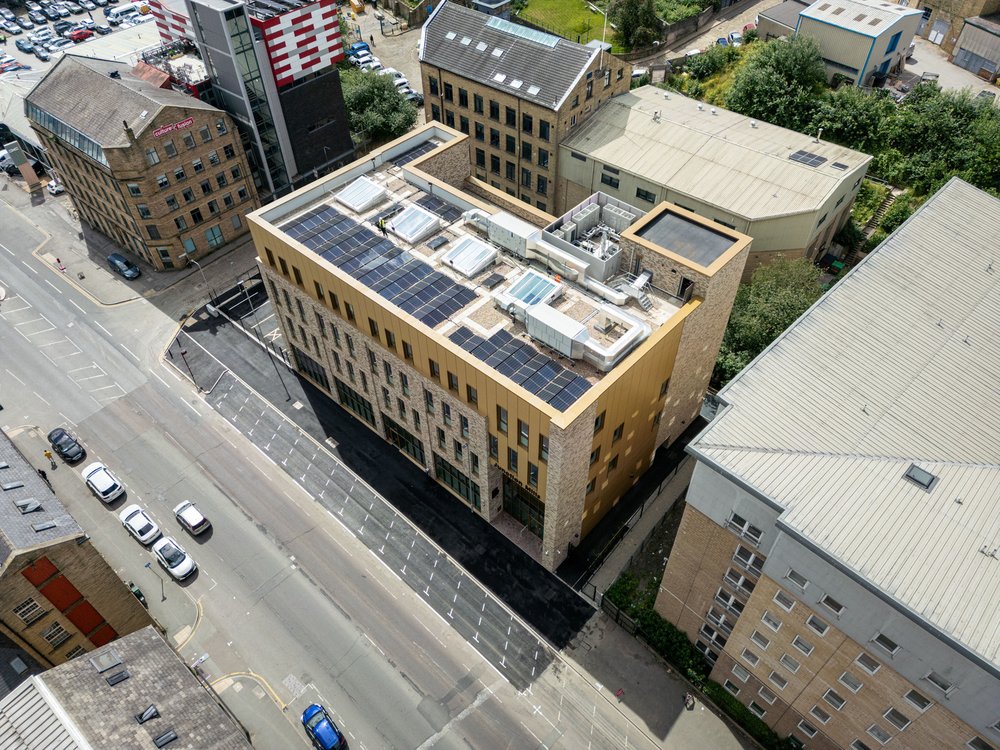
The Future Technologies Centre (FTC) at Bradford College is a £17 million, four‑storey state‑of‑the‑art facility that has transformed the College’s Thornton Road campus. Completed in June 2026, the building is the UK’s first educational institute dedicated entirely to future technologies, providing specialist learning environments for up to 650 students across automotive, digital and engineering disciplines. Designed to support emerging industries such as electric and hybrid vehicles and low‑carbon technologies, the Centre plays a central role in Bradford College’s estates strategy and its ambition to create inclusive, industry‑ready learning spaces that support regional economic growth across West Yorkshire.
Key Stats
- The UK’s first dedicated educational facility for future technologies
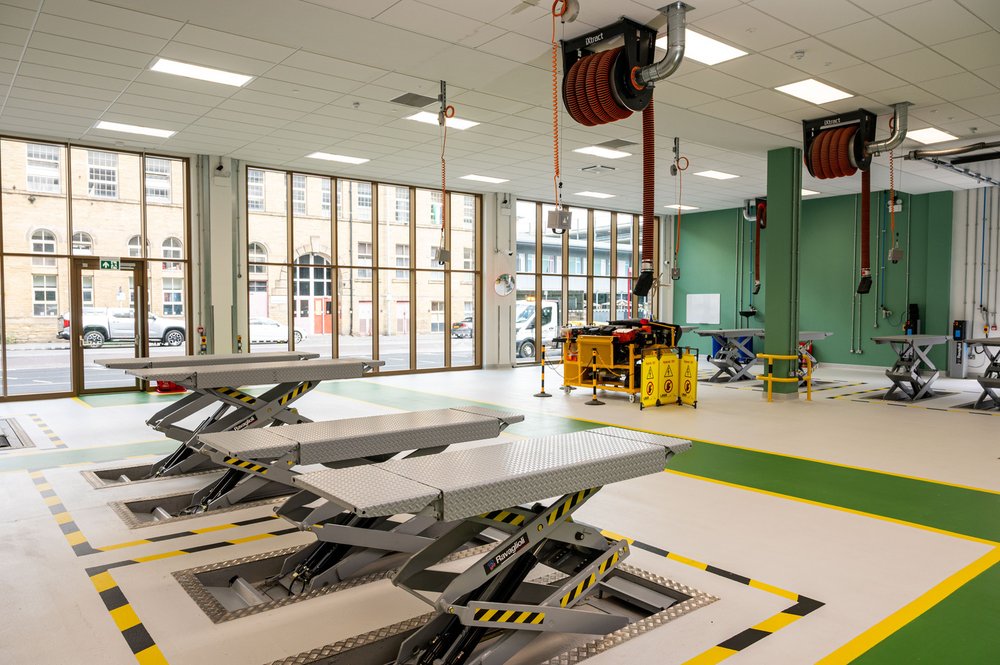
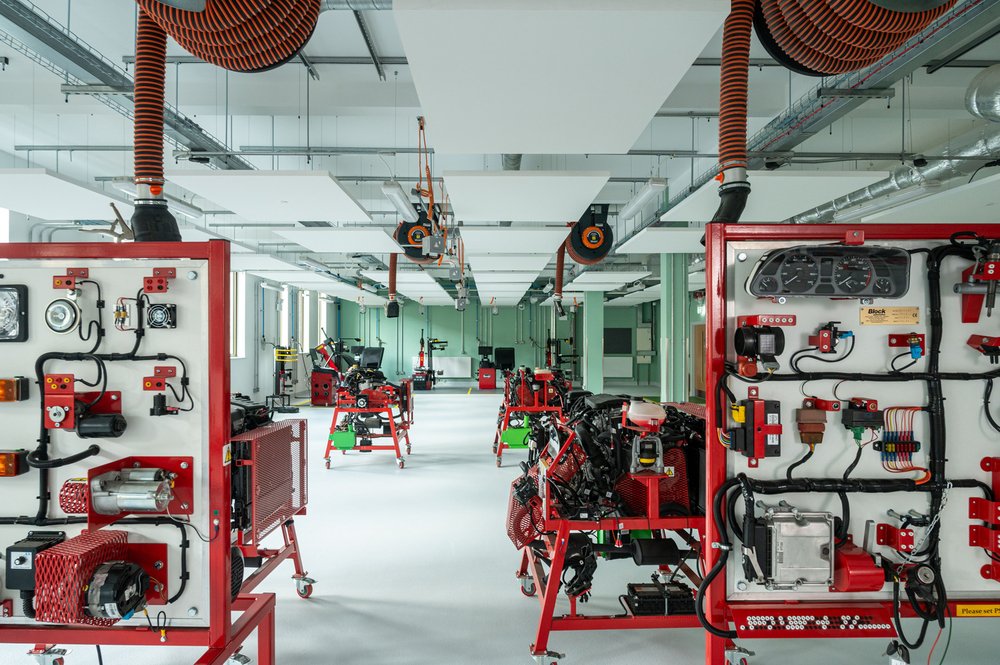
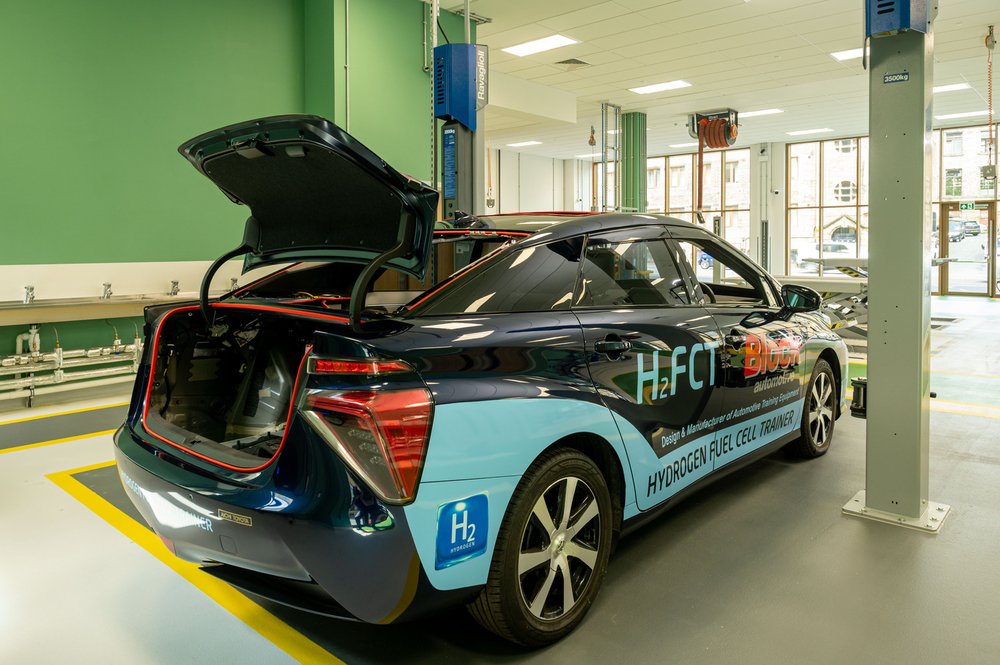
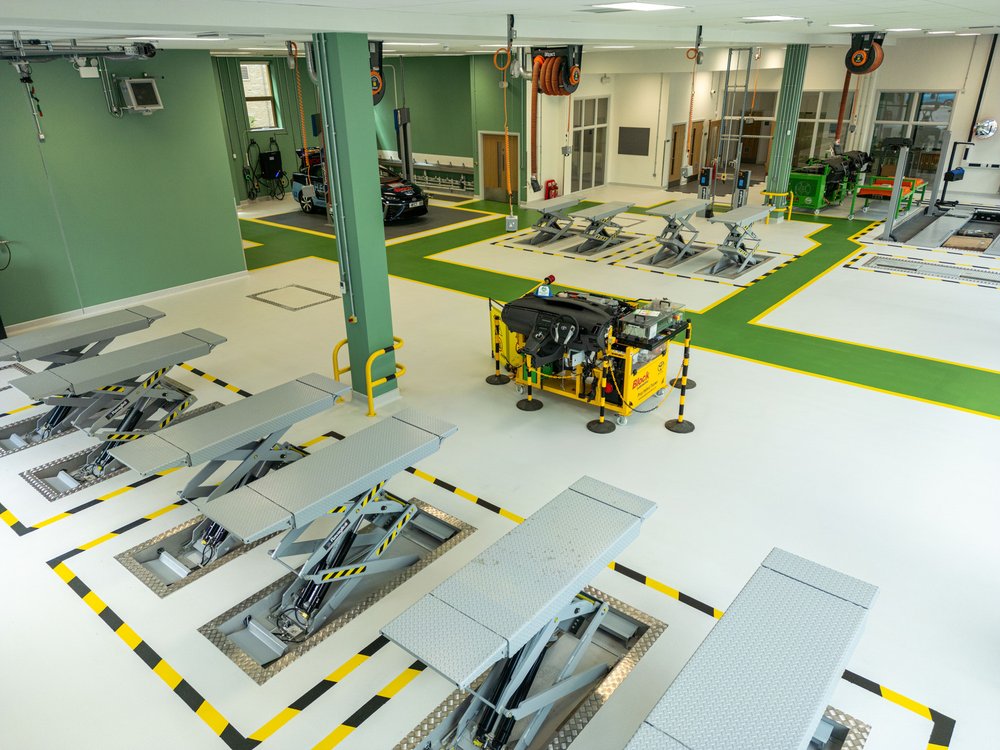
- Bespoke automotive and engineering workshops being constructed for electric and hybrid vehicle training
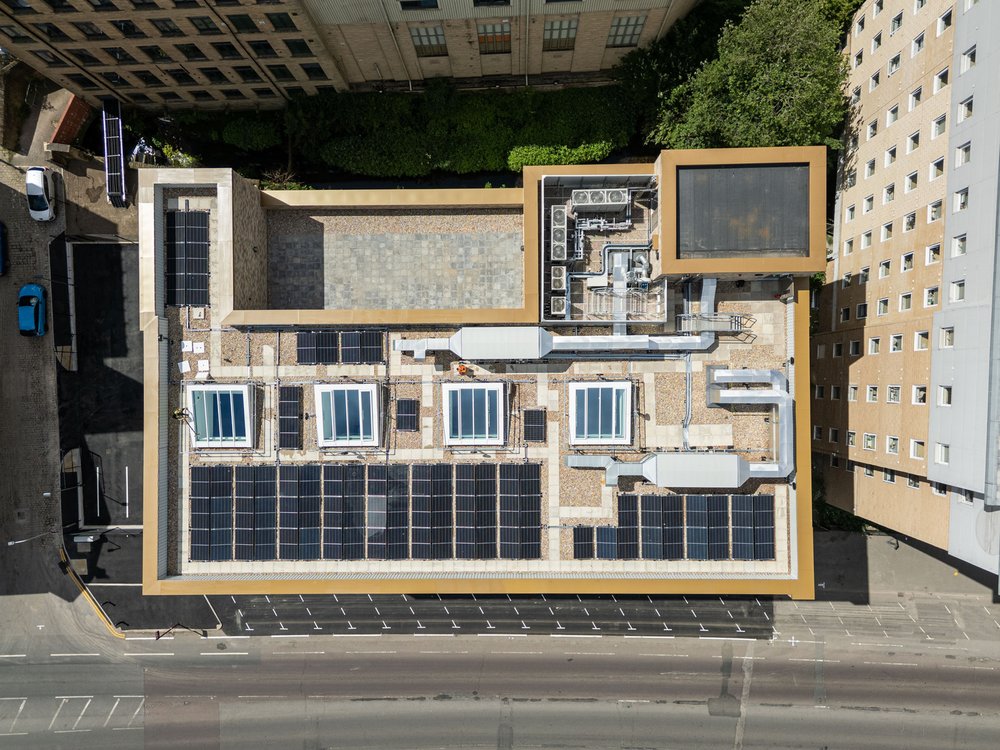
- Low‑carbon building fabric supported by air source heat pumps and photovoltaic panels
- An outdoor teaching terrace designed to promote flexible learning and wellbeing
- Level access throughout to ensure accessibility for all users
- Designed to achieve excellent airtightness, targeting an air permeability rate of 2.97 m³/hr/m²
At a Glance

Budget
£17m

Completion
June 2026

Location
Bradford, West Yorkshire

Framework
Procure Partnerships

Sector
Further Education

Social value
3 T-Levels placements, 3 paid internships, 300 apprentice hours, 3 unpaid internships.

Sustainability
529 tCO2e saved
Overview
Bradford College set out to deliver a future‑focused facility capable of equipping students with the skills required for rapidly evolving, technology‑driven industries. The project was supported by £15 million from the Department for Education’s Further Education Capital Transformation Fund, secured in October 2022, alongside a £2 million College contribution.
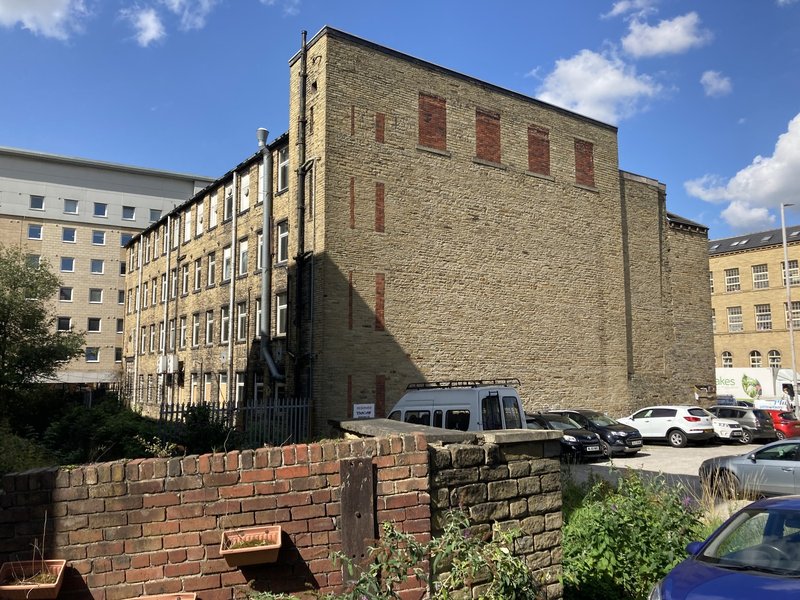
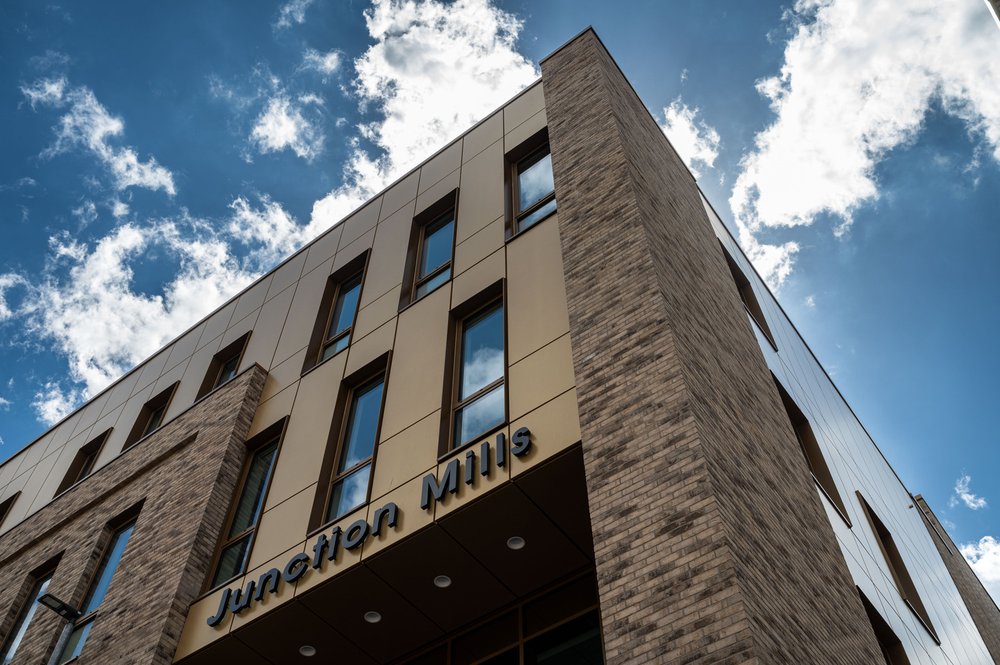
The first phase of the development involved the demolition of the derelict Junction Mills building on Thornton Road, enabling the creation of a modern, purpose‑built facility that now brings together the College’s Automotive and Digital Engineering departments, relocating from Bowling Back Lane.
The Centre houses advanced training facilities for modern automotive, digital engineering and advanced manufacturing, providing industry‑standard environments that prepare learners for employment.
A collaborative approach
The Future Technologies Centre was delivered through a highly collaborative approach, underpinned by early engagement and strong partnerships. By working closely with Bradford College from the outset, the project team ensured the needs of staff and students were embedded at every stage, resulting in a learning environment that is practical, inclusive and accessible for all.
Morgan Sindall have made me feel listened to, understood, and supported throughout the journey and it was obvious from day one, that they knew how to communicate with us. They understood what was important to the College — that it was about the learners and the environments, not just the cost.
Pam Sheldon, Head of Projects, Bradford College
Overcoming challenges
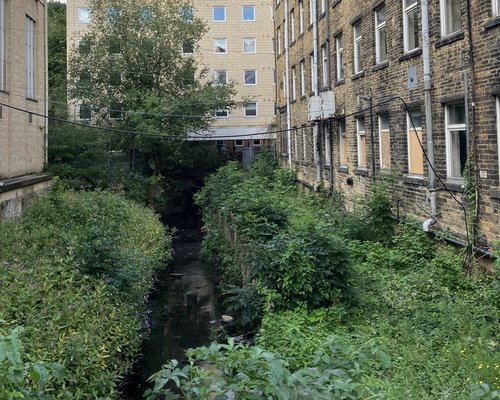
Early collaboration with the design team and supply chain partners also proved critical in responding to the project’s complex constraints. The compact site, its location alongside the Bradford Beck and the condition of the existing retaining wall required a carefully considered structural solution. Working closely with structural engineer consultants Curtins and Nolans, the building was redesigned to include cantilevered pile foundations, allowing the building to remain within the footprint of the previous structure while reducing pressure on the beck wall and mitigating further risk.
The project was also delivered within a live college campus, requiring careful sequencing, robust stakeholder engagement and proactive risk management to minimise disruption to staff and students.
Sustainability as a core priority
Sustainability shaped the Future Technologies Centre from the outset, with both the design and delivery programme focused on reducing operational and embodied carbon. Low‑carbon systems, including air source heat pumps and photovoltaic panels, were integrated into the design to support efficient building operation. During construction, recycled steel, lower‑carbon concrete and a robust waste‑management strategy were employed to further reduce environmental impact. This approach has delivered carbon savings of 529 tonnes, equivalent to powering approximately 195 homes for one year.
Social Value and Community Outcomes
The project delivered meaningful social value alongside the physical build, creating opportunities for students, apprentices and the wider community.
Social value outcomes included:
- 3 T‑Level placements
- 3 paid internships and 3 unpaid internships
- 300 apprenticeship hours
- Regular masterclasses and site visits for Bradford College students
- 8 work‑experience placements delivered in collaboration with subcontractors
- Engagement with Bradford University architecture students
- 1 voluntary work placement leading to a full time apprenticeship role
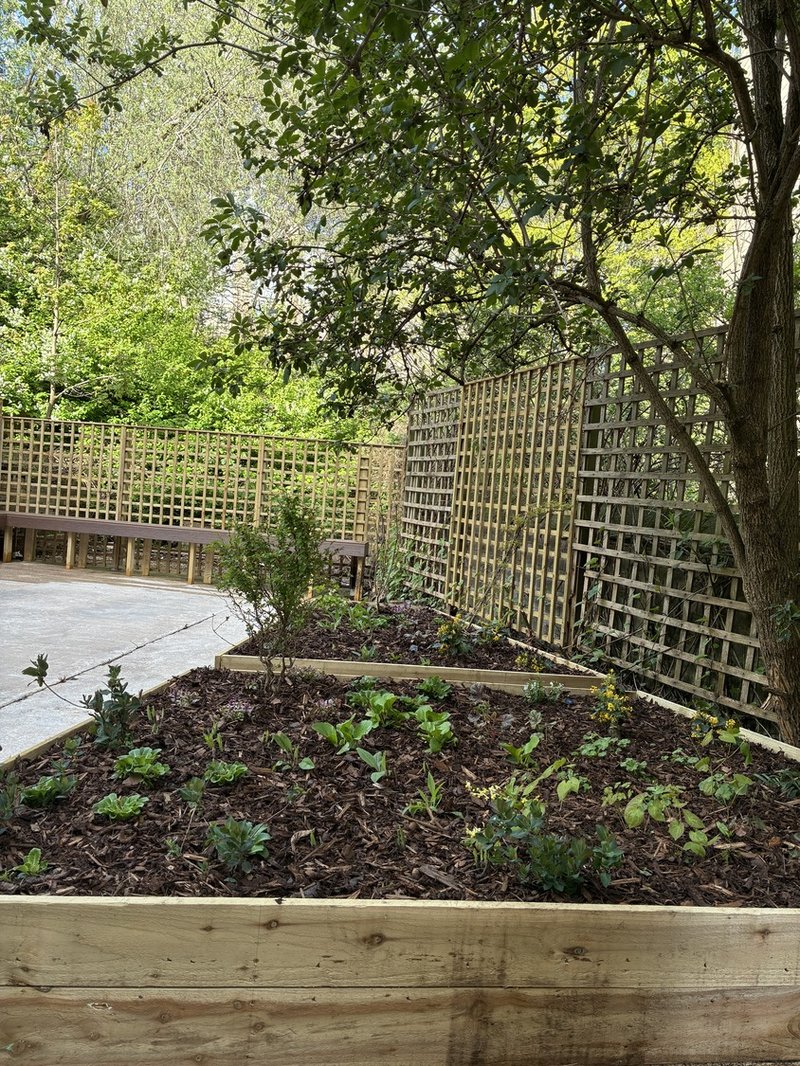
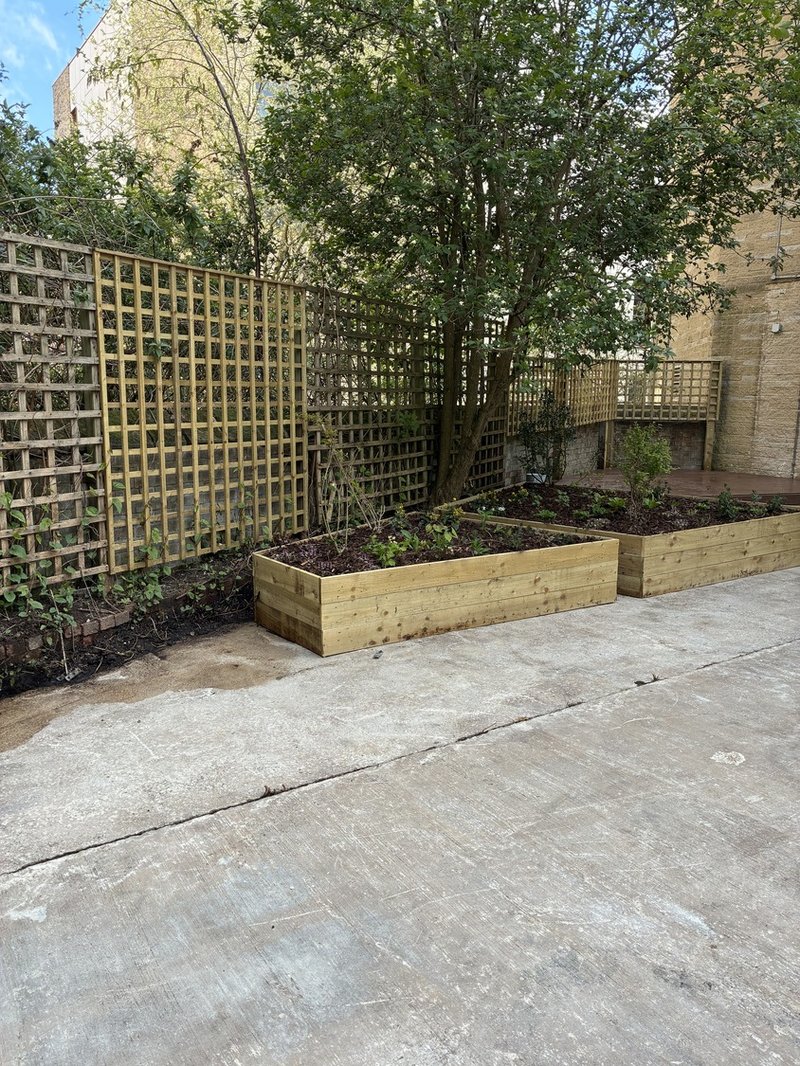
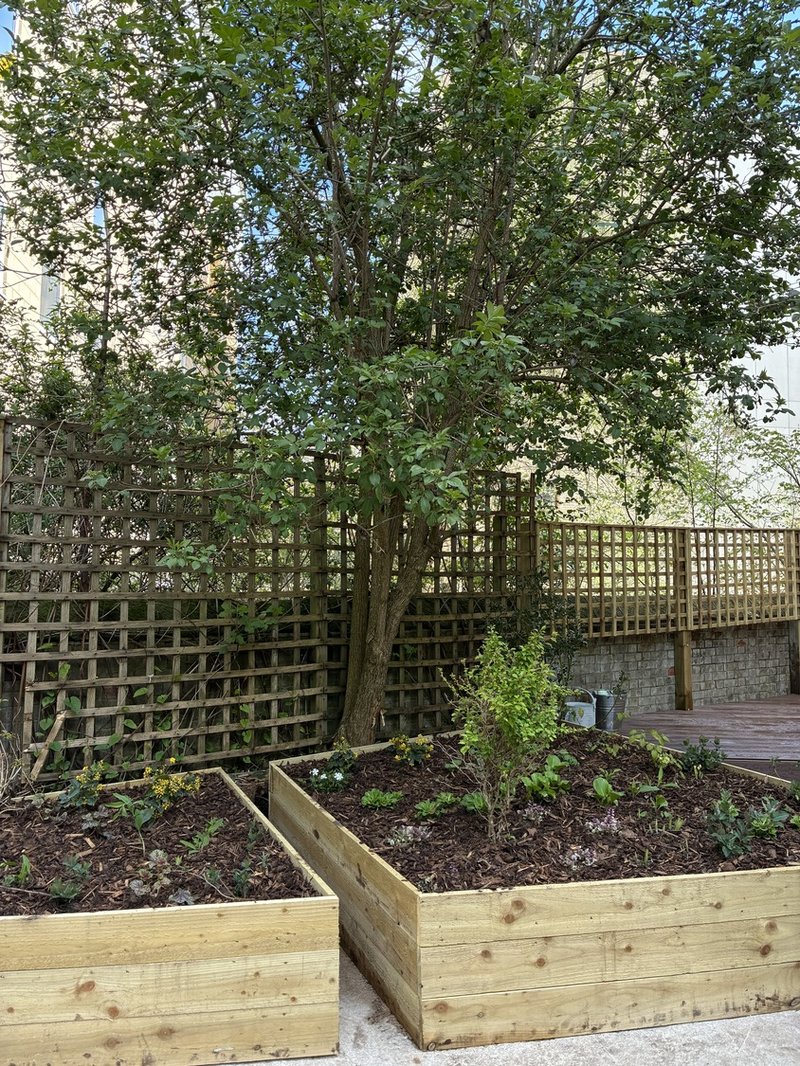
Environmental and community initiatives extended beyond the main build. This included working with Friends of the Beck and transforming an existing outdoor area at Garden Mills into a biodiverse wellbeing space. The project utilised sustainable materials, local artists and a local workforce, providing additional hands‑on learning opportunities for students.
Impact
The Future Technologies Centre plays a critical role in developing the next generation of engineers, technicians and digital specialists. By aligning education with industry needs, the building strengthens Bradford College’s offer and supports the long‑term growth of low‑carbon and advanced technology sectors across West Yorkshire.
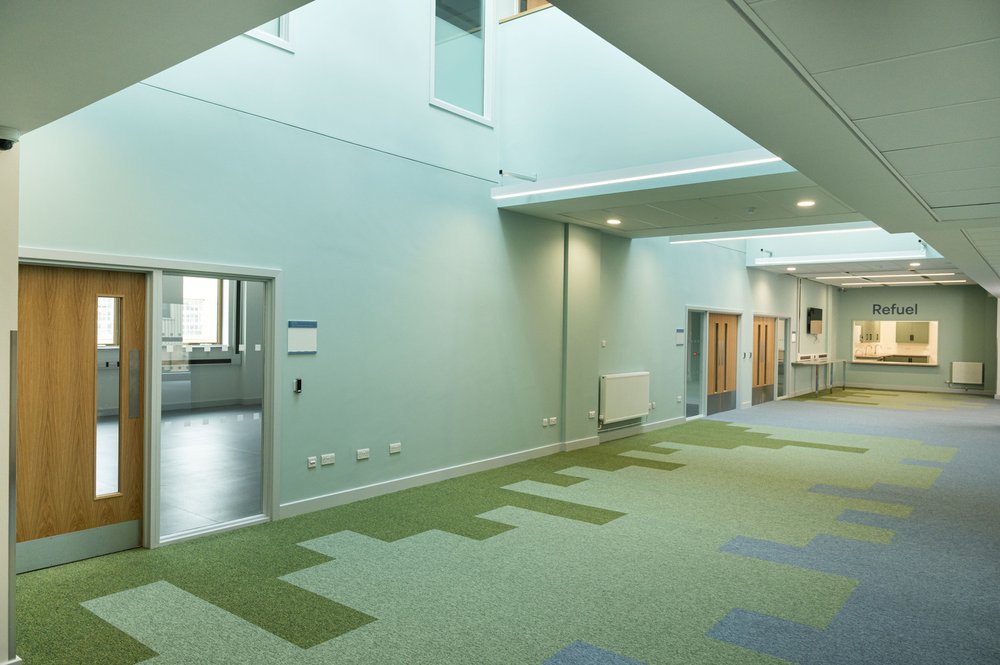
For students, the Centre provides an inspiring learning environment that mirrors real‑world workplaces and opens pathways to meaningful, future‑proof careers.
I’m proud of what we’ve achieved together. There were multiple points where this project might not have happened, mainly due to funding, but we all worked together to keep it on the table. The fact that we’ve reached this point is testament to us, Morgan Sindall and the whole professional team. I’m incredibly proud of that. Seeing the building take shape — the colours, the rooms, the heritage — it’s exciting. Staff are already so happy and looking forward to moving in. The building will be a jewel in our crown and will transform how learning looks at Bradford College.”
Pam Sheldon, Head of Projects, Bradford College
Gallery


Related News
NEWS
Morgan Sindall Construction starts on site at Lydiate Primary School
Work has started on site at Lydiate Primary School in Sefton, where Morgan Sindall Construction is building a new school for pupils, staff and the wider Lydiate community on …
NEWS

Community Newsletter - Middlecross - August 2026
Click here to read the latest newsletter for the Middlecross Extra Care Scheme
NEWS
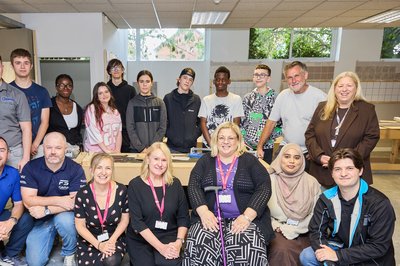
Morgan Sindall Construction celebrates young people’s achievements on Salford employability programme
Hard hats, hands-on learning and new experiences have all been part of the journey for a group of young people taking part in this summer’s construction programme in Salford. …